
Impact on dogs
Behavioural issues
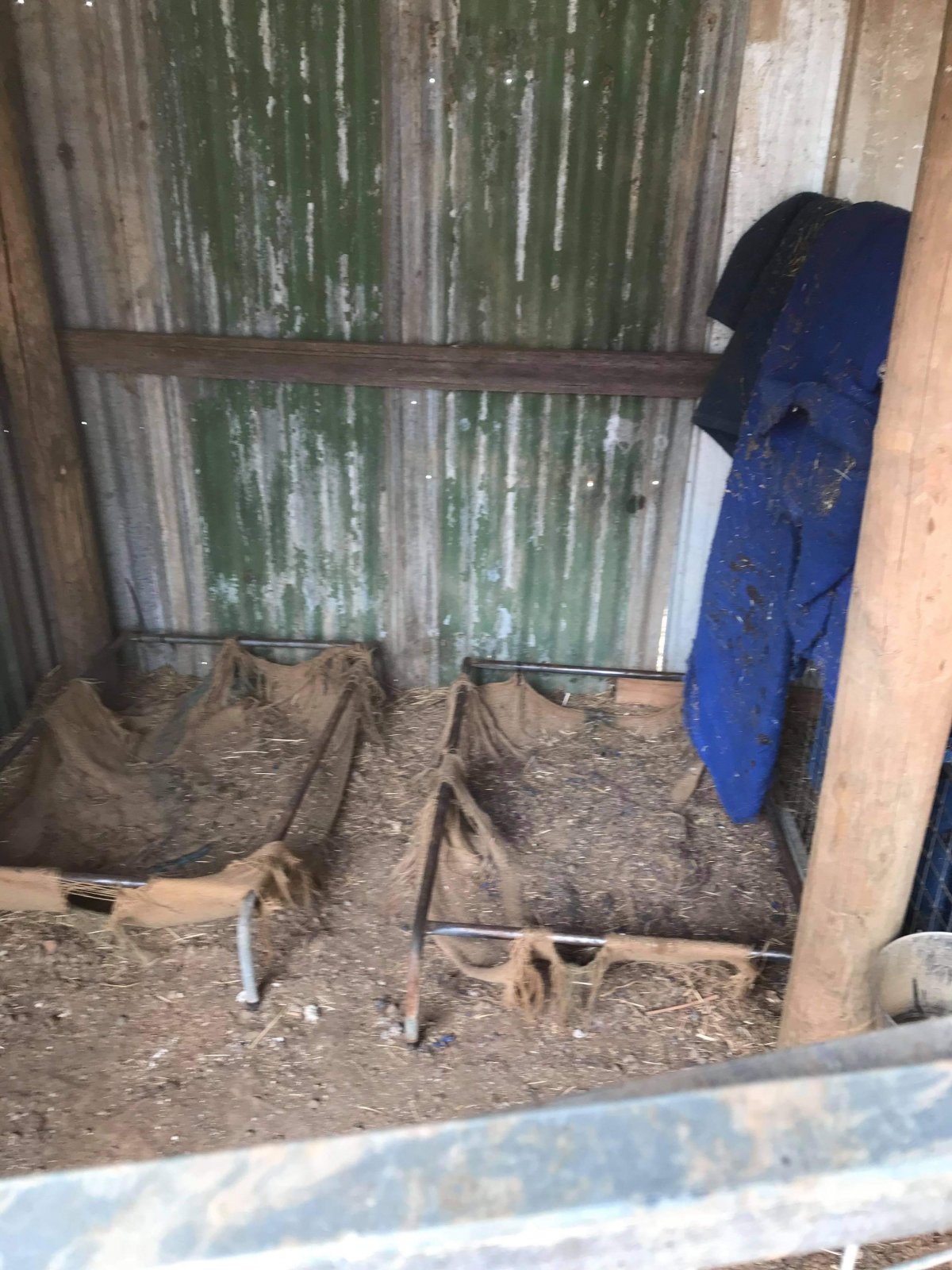
Even the ideal welfare standards, promoted by Industry Codes of Practice, make little considerations for the ongoing, life-long behavioural welfare of greyhounds. Greyhounds are commonly confined to their kennels for prolonged periods of time, without any socialisation with other dogs. Housing is often insufficient, with a huge amount of leniency afforded to industry participants. Greyhounds are also frequently housed in isolation, an unnatural state and a supplementary stressor for social animals like dogs.
Medical neglect
Greyhounds surrendered to rescue groups commonly show signs of inappropriate medical treatment and issues associated with neglect. An immense number of greyhounds exiting the racing industry have not received adequate dental care and often require surgery before they are rehomed, often with a number of extractions of heavily diseased teeth. Further issues include cancers, osteoarthritis, corns of the feet, and of course an abundance of fractures and other injuries as a consequence of racing.
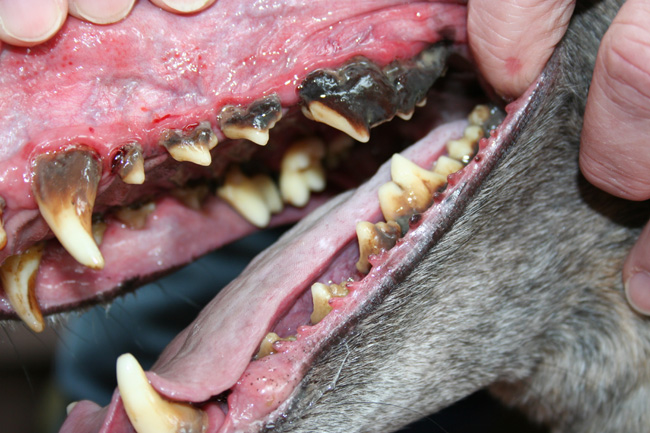
A greyhound with dental issues. Source: Royal Veterinary College
Doping and drug use
In August 2020, a trainer faced disqualification for stitching up a greyhound without the use of any anaesthetic or appropriate vet care following a dog attack; she then deteriorated to the point of requiring euthanasia due to septic shock. In February 2026, two year old greyhound, Baba Bear died after being left tied to a treadmill designed for human use. Baba Bear was tied to the machine and likely died from asphyxiation after losing his balance. The trainer responsible was warned off the sport for three years following the incident.
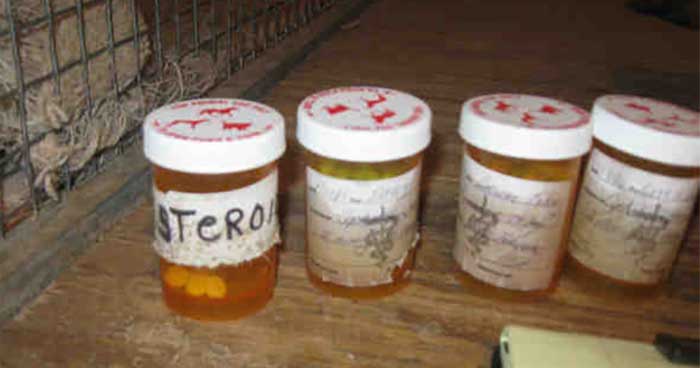
With trainers' continual efforts to gain the competitive edge, the use of illicit substances in an attempt to enhance greyhound performance is commonplace, with no regard for the effects they have on the dogs wellbeing. Hormones, anabolic steroids, erythropoietin and illegal substances such as heroin, amphetamines and cocaine have all been used in an effort to skew race results.
Even procedures viewed as standard practice in the industry have the ability to cause suffering. Tattooing of puppies' ears is done so without the use of anaesthetic, and breeding females can be impregnated via surgical artificial insemination, a procedure prohibited internationally because of it's invasive nature.
Track injuries and deaths
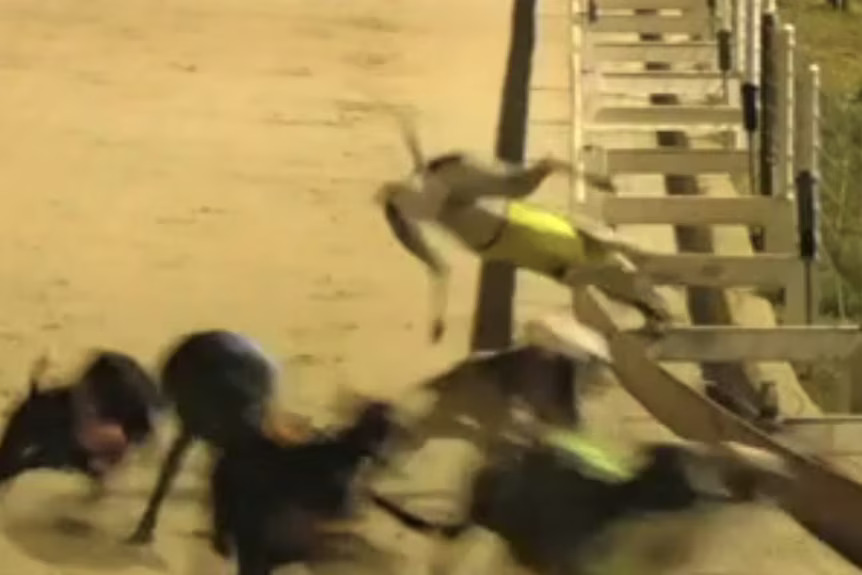
At the time this article was updated (April 2026), there have been a huge 3342 track-related injuries and 23 deaths in Australian greyhound racing so far this year. Despite participants claiming to love their dogs, they routinely place them in the high risk conditions of track racing, where injuries are commonplace, and can be fatal for dogs. Injuries range from milder muscle and soft tissue injuries through to major fractures, collapse and sudden, traumatic death.
In 2016 and 2017, the industry commissioned a study to find ways to reduce the injury and death rates of this 'sport'. Despite this, the industry have continually failed to implement any of the recommendations from the report, showing their complete disregard for welfare science in favour of profit.