Animals used for Food

Last updated 30 November 2021

Abattoirs / Slaughterhouses

Meat, dairy and egg products, and some entertainment industries such as horse or greyhound racing, involve the slaughtering (killing) of animals, whether directly for human consumption, or as “waste products” of the industry. Most of this killing is carried out at slaughterhouses, also known as abattoirs, which operate primarily for human consumption. Animals deemed unfit or unsuitable...

Broiler (Meat) Chickens

Broiler chickens, used for their meat, live miserably in appalling conditions. Broiler chickens are sweet, affectionate birds, known to purr in delight when they are given head scratches. In the year 2024/25, 756 million chickens were slaughtered in Australia alone, while in the year 2021 globally 73.7 billion chickensare slaughtered every year. Chickens are the largest number of intensively...

Camels

The camels found in Australia are Dromedary camels. Being social creatures, camels live in groups known as herds, and are known to blow in one another's faces as a greeting. Camels at Summerland Dairy in SA. Photo: Farm Transparency Project. History of camels in Australia Although commonly associated with countries such as Saudi Arabia and Egypt, Australia is believed to have the largest p...

Cattle (Beef)

Note: the words 'cow' and 'cattle' are used interchangeably in this article to refer to both male and female bovines. Cow is technically a female, however there is no singular word to refer to cattle that is gender neutral, as a result cow is often used to refer to singular cattle, male or female. Cows are gentle giants, each having their own unique personality and traits. They develop social str...

Dairy

The dairy industry involves the forced impregnation of female animals, so that the milk intended for their offspring can instead be collected and sold for human consumption in various forms, including milk, cheese, butter, ghee, yoghurt, ice cream, and more. While the term 'dairy' is often synonymous with cows, the exploitation of other species is steadily growing. 

Deer

Deer are commercially farmed in Australia for venison (meat) and velvet (antlers).  As of 2018 there were around 45,000 deer living on approximately 1,400 farms across Australia. The main species used are: Red Deer (Cervus elaphys) Fallow Deer (Dama dama) Canadian Elk or Wapiti (Cervus canadensis) Other farmed deer species are Sika deer and Rusa deer. Wild species also include Hog de...

Ducks

Increasing evidence is emerging that birds are intelligent, complex creatures, and ducks are certainly no exception to this. Research has shown that ducklings possess the ability to grasp the concept of 'same' and 'different' as well as being capable of abstract thinking. These abilities have been attributed to many highly intelligent animals, including parrots, crows, humans, and apes. There is i...

Eggs

Egg-laying hens are highly social animals with complex cognitive abilities, who value their lives like we do. Chickens possess the ability to distinguish 100 faces of other chickens, and form complex social structures within their flock known as 'pecking orders'. Hens love to spend time in the sun and keep themselves clean by dust bathing in patches of dirt. Studies have found that chickens experi...

Emus

Farmed Emus The world's largest emu farm in Norther Victoria. Photo: Farm Transparency Project. Emus are primarily farmed in Australia for their meat, skin and in particular, their oil.  A very small quantity of carved eggs and emu feathers are also sold. The first emu farm began in Western Australia in 1970, however emu farming began operating commercially in 1987 when relevant legisla...

Fish and marine life

There is ever-emerging evidence that fish are complex, intelligent and sentient beings. Fish are capable of time-place learning, where they link events with both location and time of occurrence. Animals, humans use this to decide to visit or avoid places at certain times, based on their previous experiences.  For many, fish are difficult animals to relate to and empathise with because they...

Goats

Goats are playful and friendly animals that are often curious and keen to interact with humans. Goats are able to recognise the faces of their friends. In Australia, goats are farmed for their milk and meat. Naturally the lifespan of a goat is 15 to 20 years. Number of goats slaughtered in 2023: it is recorded that 2.4 million goats were slaughtered in 2023 in Australia, however this does not inc...

Kangaroos

Macropods are a family of marsupials which includes kangaroos, wallabies, and wallaroos. They are killed (or 'harvested', as the industry calls it) in Australia for their meat, skin, and fur, but they are caught from the wild rather than farmed.  Photo: Catriona Marshall The ethics of wild kangaroo, wallaby, and wallaroo slaughter are widely debated, even within the industry, as the ani...

Knackeries

Animals deemed unfit or unsuitable for human consumption are killed at facilities called knackeries, often for pet food. 

Live Export

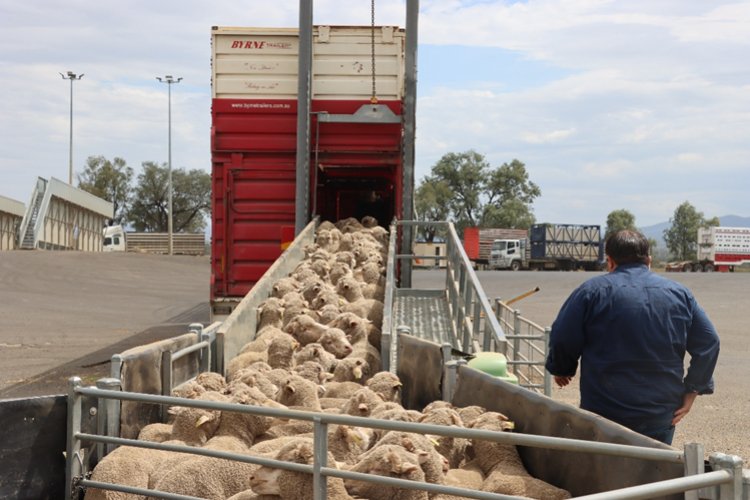
Introduction Image: Animals Australia   Australia is a significant exporter of live animals, including cattle, sheep, goats and buffalo. In 2023, the Australian Bureau of Statistics reported that 1,324,141 live animals were exported by sea and air. This included approximately 684,287 sheep, 623,095 cattle, 14,331 goats and 2,428 buffalo. Australian live export animals are sent to Indon...

Pigs

Pigs are highly social, curious, and intelligent animals who want to live just as much as we do. Pigs communicate a wide range of emotions, from joy to fear, through complex variations in their vocalisations. Pigs are also extremely clean animals; when given sufficient space, pigs will take special care not to soil where they eat and sleep. Sows are incredibly maternal, building nests from their s...

Rabbits

Summary of Rabbit Meat farms in Australia Up until 1987, there was a complete ban on rabbit farming in Australia. In 1987, Western Australia changed its legislation to lift that ban. New South Wales and Victoria followed suit. Before the bans were lifted, 2.7 million rabbits a year were estimated to have been hunted in Australia in the wild up until the early 1990s. In 1996, The Australian gover...

Rendering

In animal agriculture, rendering is the process of repurposing byproducts from slaughter as an additional form of revenue for the industry. Rendering typically involves heat treatment to transform byproducts and destroy pathogens, removing moisture and separating solids from fat (https://www.ausrenderers.com.au/en/what-is-rendering/). As a result of the sheer amount produced by the animal agricul...

Sheep

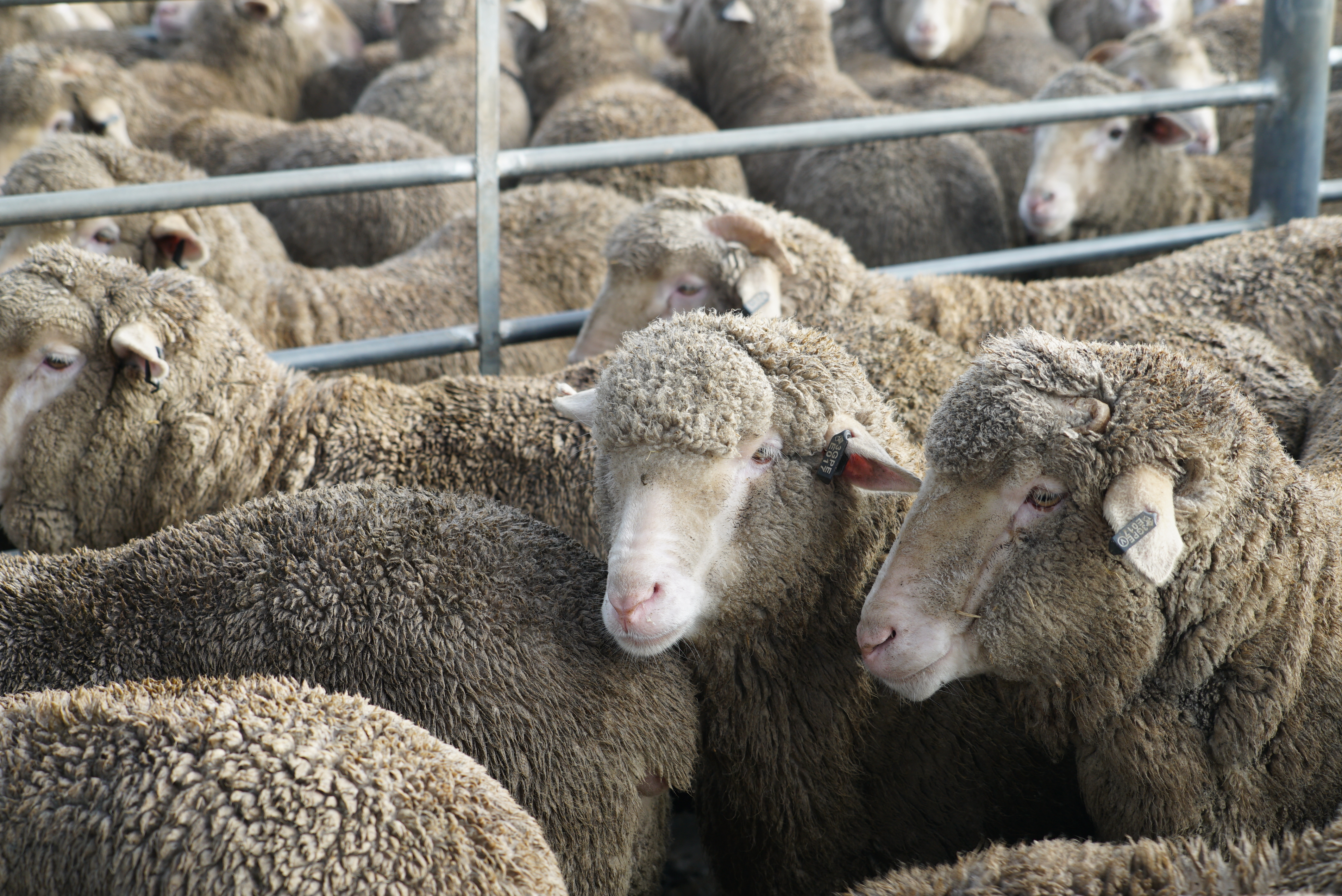
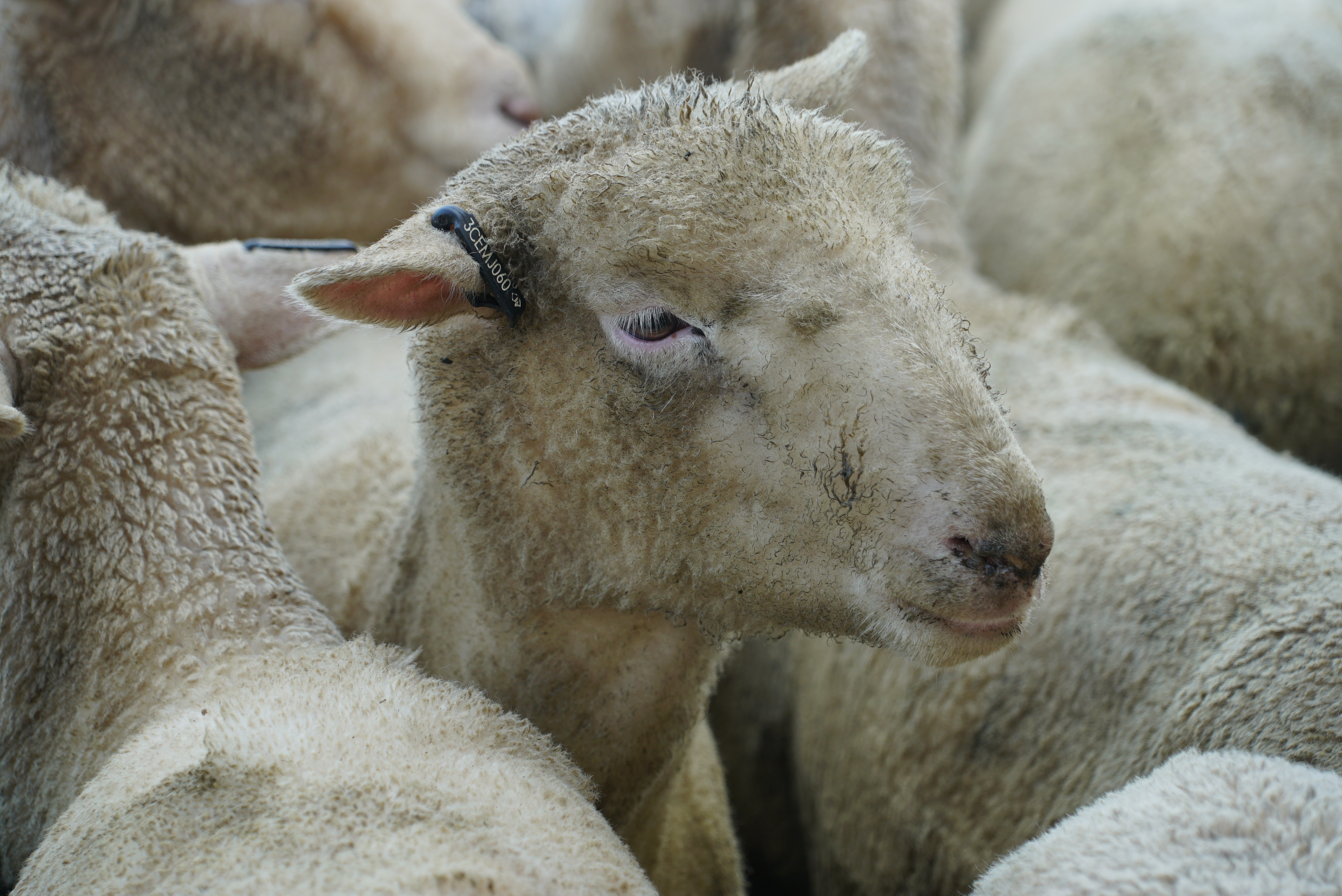
Despite their reputation as being simple "followers", sheep are intelligent animals with incredible memories. In nature, sheep travel long distances in complex, close-knit families. Each herd will cooperate and stay together for survival and protection, similar to many other animal species who travel together in packs. Just like dogs, a sheep can learn their own name. Far beyond this, they also h...

Turkeys

Turkeys are extremely affectionate birds, who form strong bonds with their families and flock mates. They are known to purr in a way similar to cats when they feel relaxed and have been observed being playful among their flock. In the animal agriculture industry, turkeys are subject to horrific lives from breeding through to slaughter and each step in between.  Almost 5 million turkeys are ...