
Birds
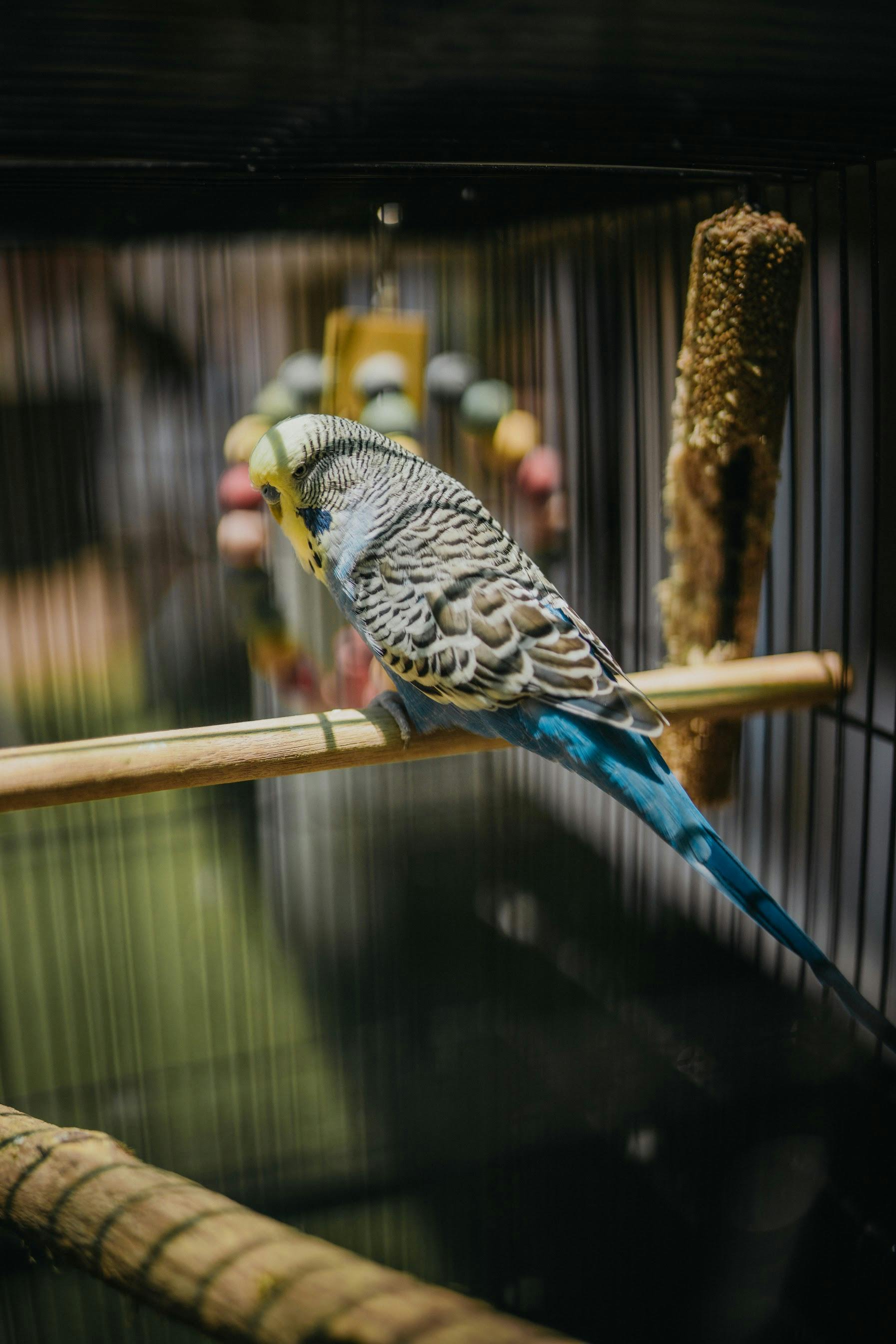
According to Australia's most comprehensive pet survey, in 2025, around one in ten Australian households had fish and/or birds as pets. Birds are extremely intelligent, with studies showing that parrots and corvids can a level of intelligence similar to that of primates.
Louw Lemmer
Nathan Emery, a cognitive psychologist at Queen Mary University in London found that:
"Rooks, jays and New Caledonian crows are at least as competent and, in some cases, more competent than children younger than eight years old in tasks involving tool innovation and causal reasoning."
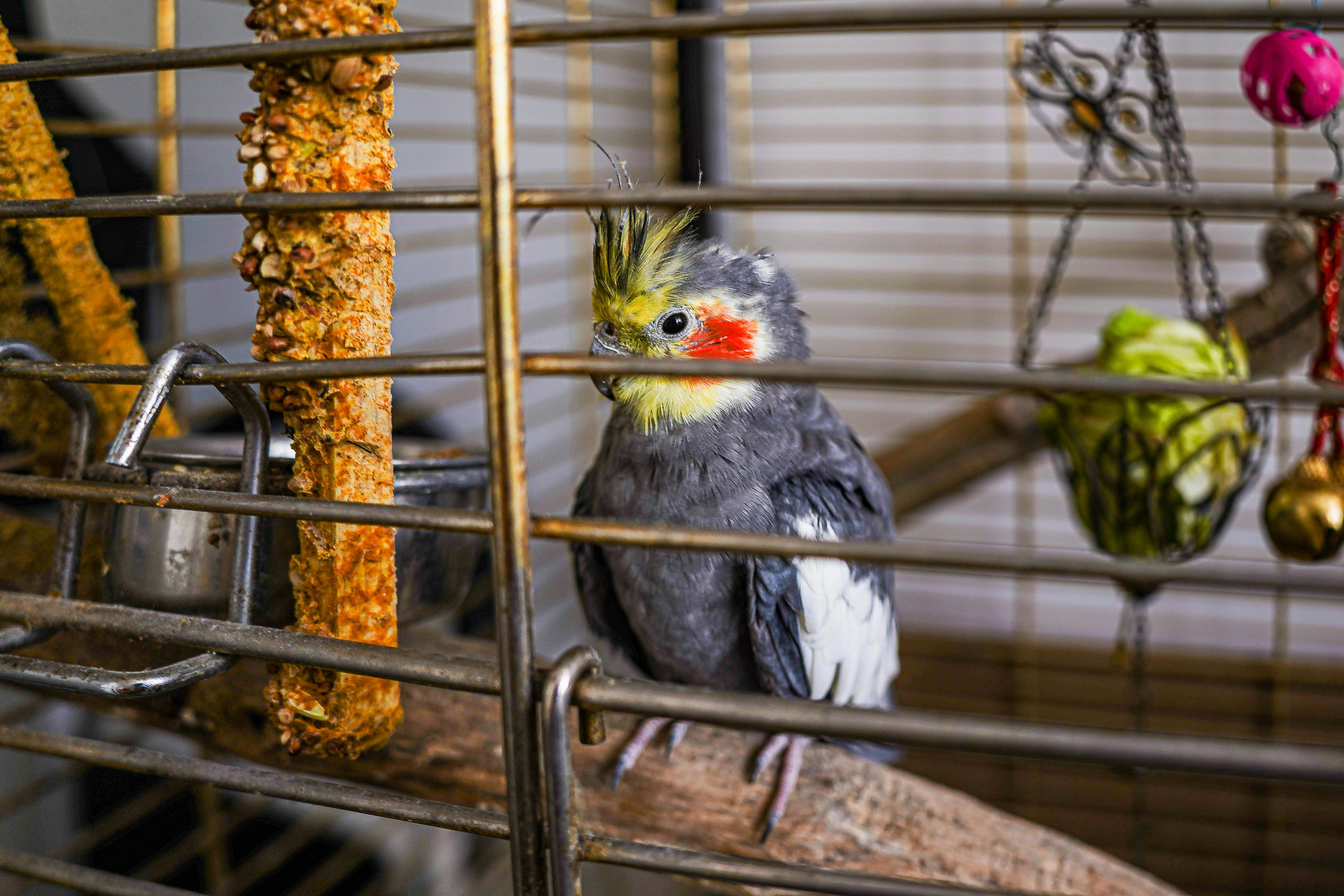
Birds kept as pets often live their lives confined to small cages, with little enrichment. Some birds can live up to 80 years and most are flock animals, meaning that living in a cage without companions can be stressful and traumatic for them.
Birds in Pet Shops
Frank Grün
In Australia, native birds can be bred in captivity and bought without a license. It is illegal to capture and sell native birds however, native birds are still trapped and sold, both domestically and internationally. Some species of birds can also be imported into Australia as pets.
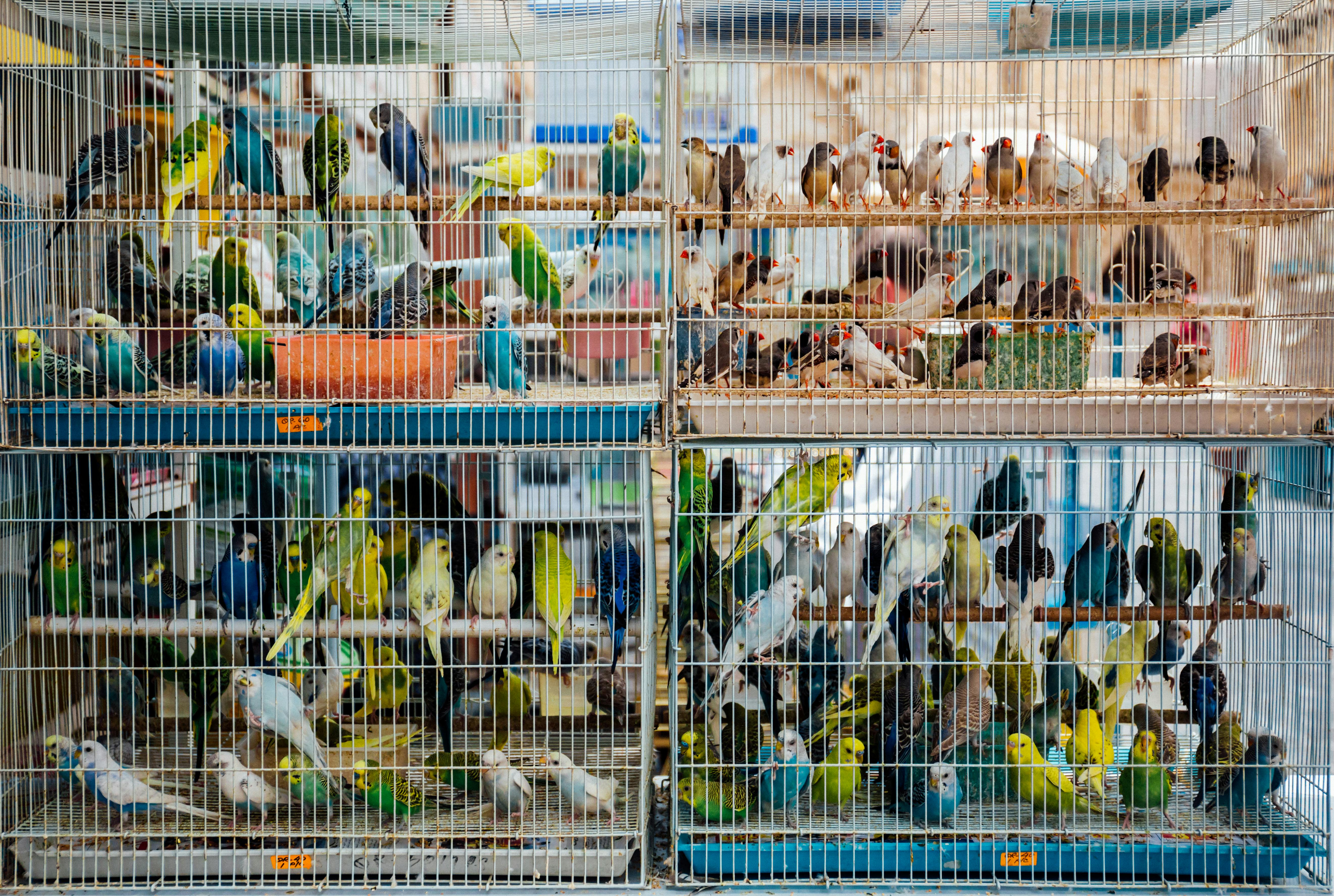
Birds sold in pet shops are bred in large breeding facilities. Birds will be hatched and 'hand raised' to socialise them to humans. They are often removed from their parents at a very young age so they get used to human interaction. In nature, many bird species are extremely loyal and will often mate for life. Chicks stay with their parents for many months, and will often remain part of the same flock. In the wild, juvenile parrots will remain with their parents for up to two years, learning skills to live independently.
Backyard breeding
Kelly
The backyard breeding of birds is not only legal, it is encouraged, even for children. In an article on the popular website Burke's Backyard, it states that breeding budgies is "highly (recommended) as a hobby, particularly for kids."
Backyard breeding is unregulated, and welfare issues are common. Birds are adept at hiding illness, and can often suffer from sickness and parasites, especially when living in large numbers in unsuitable environments. Stressed birds can also engage in repetitive behaviours, including plucking out their own feathers, leading to baldness.
Other common conditions are egg binding, tumours, respiratory illnesses, obesity, parasites and mites. Psychological disorders are most observed in parrots and macaws, highly intelligent and social birds who are often kept in small cages without social interaction or intellectual stimulation.