Zoos
Zoos and aquariums are facilities that keep wild animals in captivity for the purposes of public display, education, conservation and, in some cases, research. There are approximately 90–100 zoos and aquariums operating across Australia, ranging from large, commercial marine parks and metropolitan zoos to smaller wildlife parks and privately operated facilities.
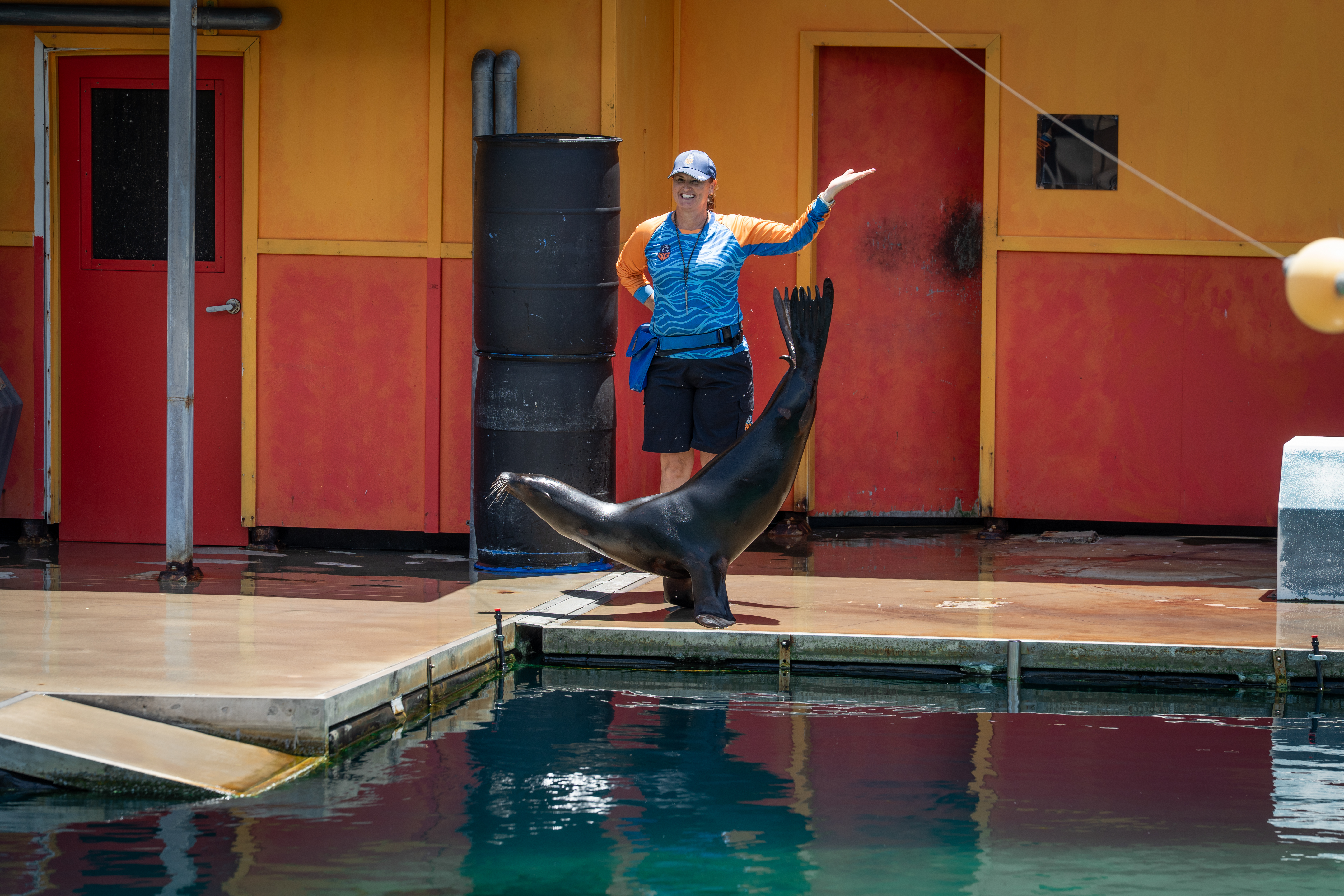
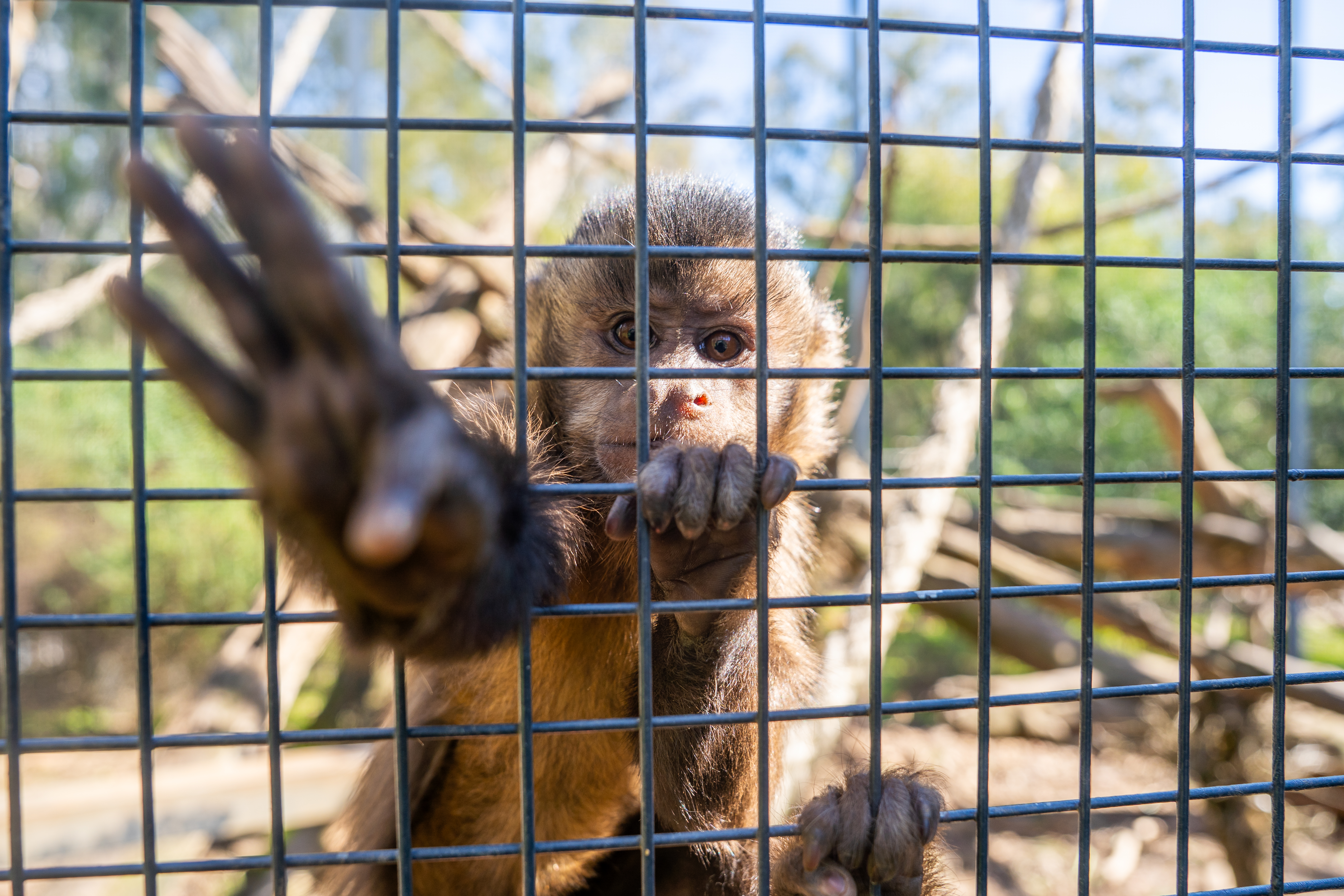
Animals are confined to managed environments that differ significantly from their natural habitats and are dependent on human care. Captivity involves restrictions on space, movement and behaviour that can impact animal welfare.
Animals in zoos have been observed to display behaviours associated with stress or reduced welfare, including repetitive movements, pacing and other forms of stereotypic behaviour. These behaviours are widely recognised indicators of compromised welfare in captive animals.
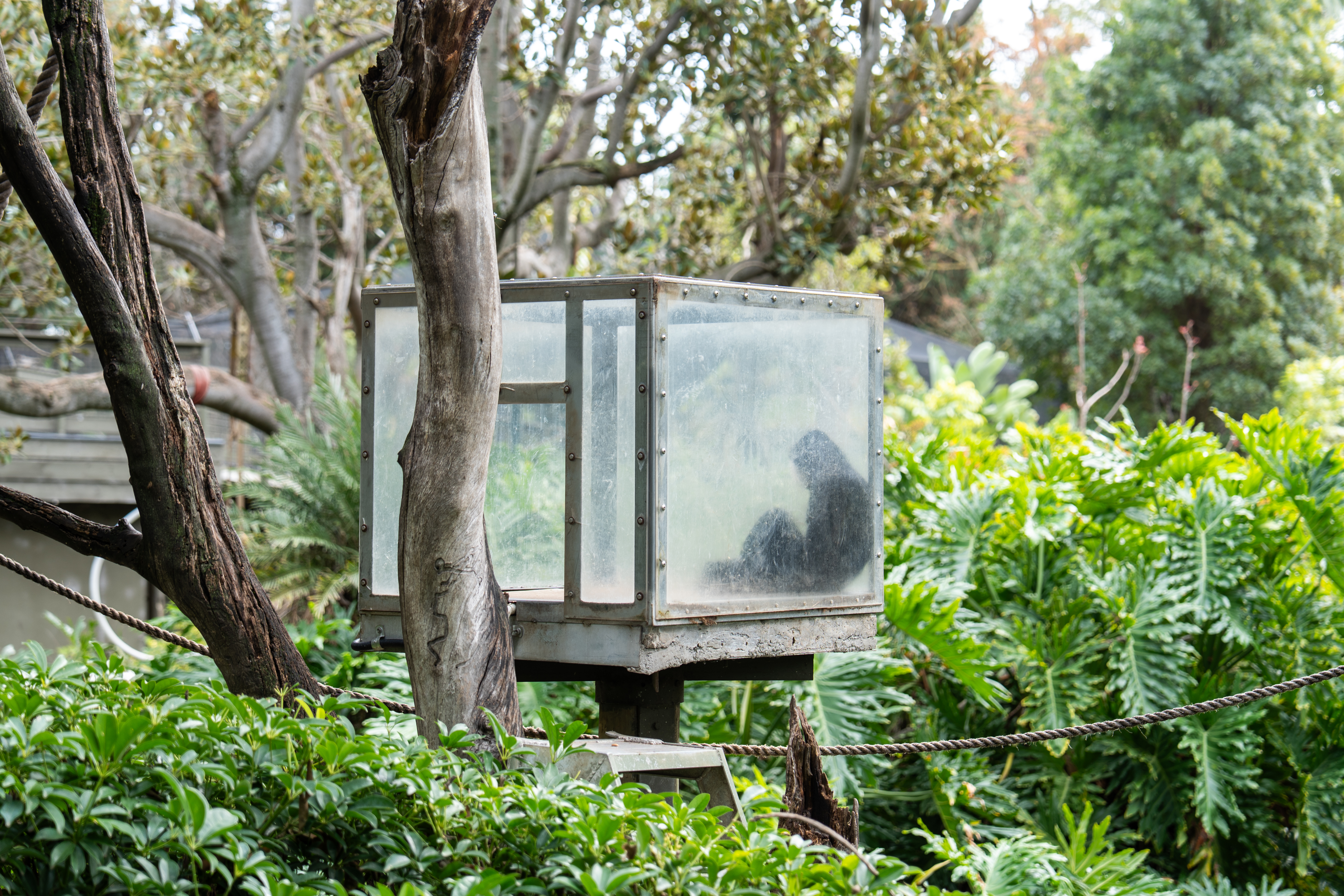
The restriction of space and movement is a key factor in these outcomes. Large land mammals and marine mammals are often confined to enclosures that represent only a small proportion of the distances they would typically travel in the wild. Social structure can also be altered in captivity. Animals may be housed in groupings that differ from natural social systems, or in isolation where group housing is not possible.
Zoos are often presented as contributing to conservation and education. Some facilities participate in captive breeding programs for threatened species and may support research or conservation initiatives. However, most animals held in zoos are not part of reintroduction programs, and captive breeding does not typically result in animals being released into the wild. In many cases, animals bred in captivity remain within zoo systems for their entire lives.
While zoos provide opportunities for the public to view animals, the extent to which this translates into meaningful conservation outcomes or behavioural change for children and adults is subject to ongoing debate.
Australian Zoos - 2026
In 2026 Farm Transparency Project released an investigation into zoos and wildlife parks across Australia.
We found animals living sad, lonely lives, deprived of the stimulation they need to thrive. We also uncovered the deception behind zoos' claims that they play a crucial role in the conservation of native species.
At private zoos such as Gorge Wildlife Park in South Australia and Darling Downs Zoo in QLD, investigators documented the captive breeding of rabbits, guinea pigs, capybaras, several species of birds and wallabies, animals who are far from endangered.
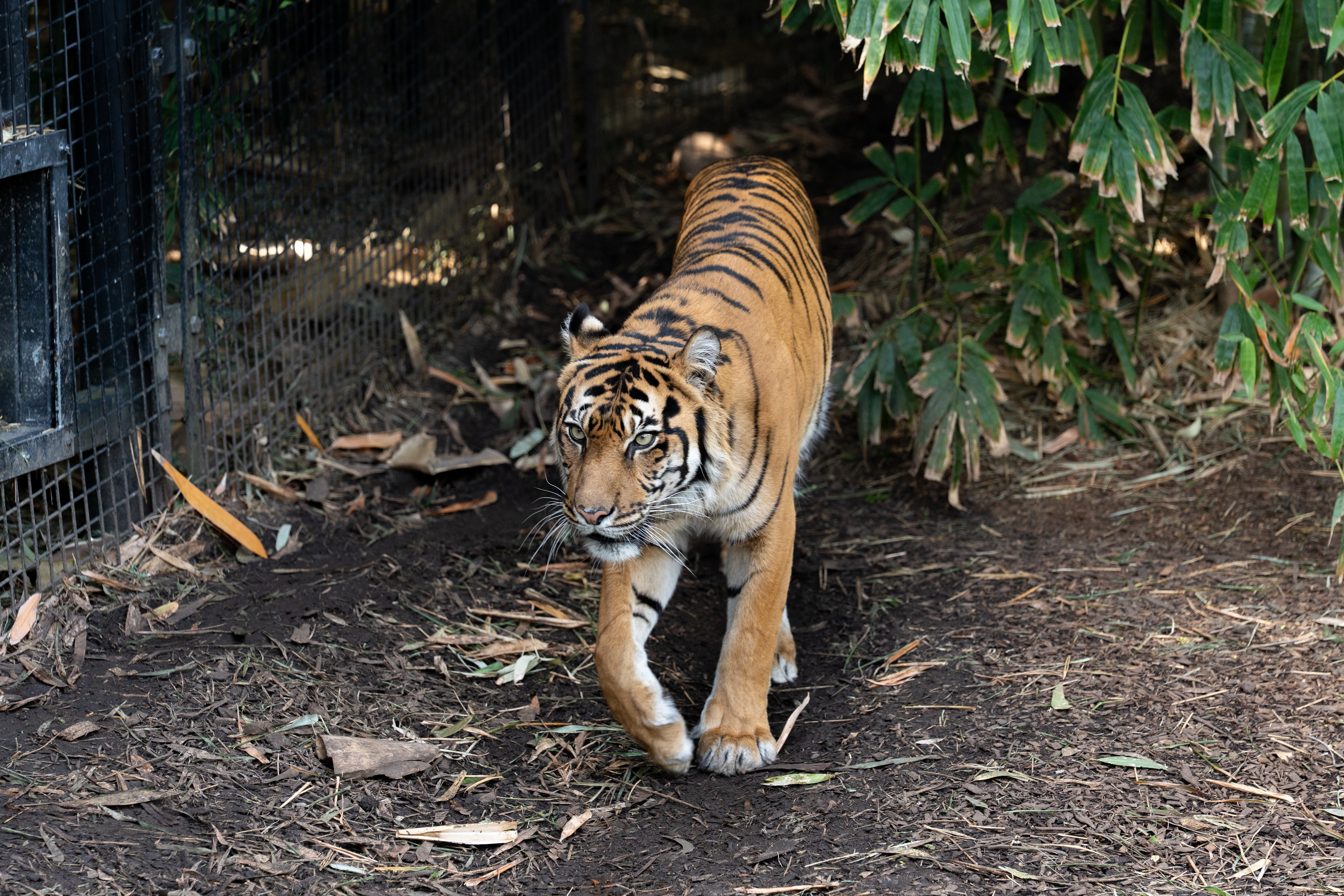
At Adelaide Zoo, investigators filmed as a Sumatran Tiger paced along the boundaries of his enclosure, before lunging at someone who filmed through the glass. Similarly, tigers, leopards and lions paced back and forth at Melbourne Zoo and Darling Downs Zoo, creating deep furrows in the dirt of their cages
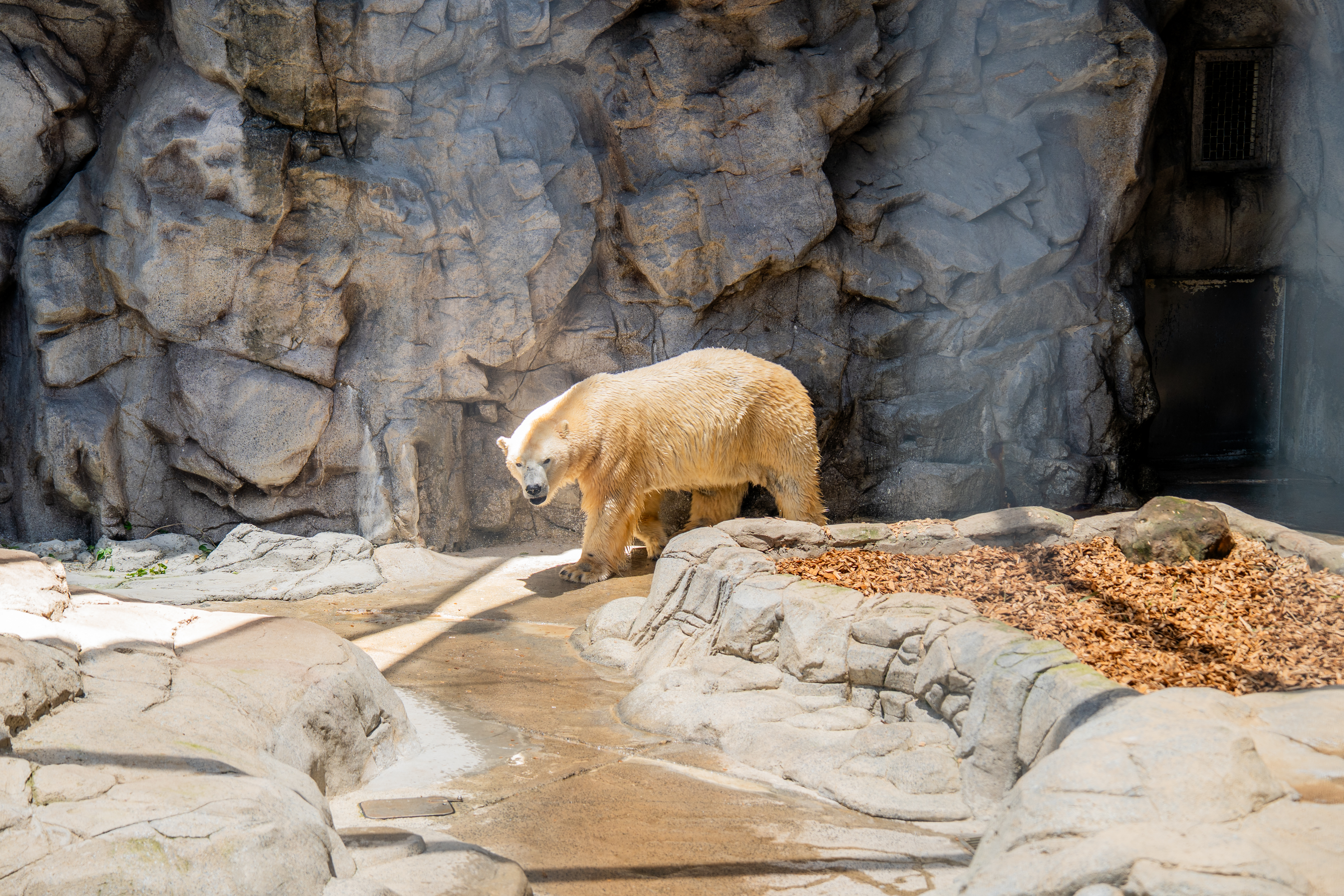
Investigators filmed as large, brightly coloured macaws and native birds were kept in cages barely large enough to fly in, and penguins swam laps in a small, concrete pool. At Sea World on the Gold Coast over 15 captive bottle nosed dolphins swam circles in shallow bays, while a polar bear paced a rocky enclosure in the hot sun.