
Cats
In Australia, there are roughly 5.3 million owned cats, making them the second most popular pet species. 33% of households include at least one cat.
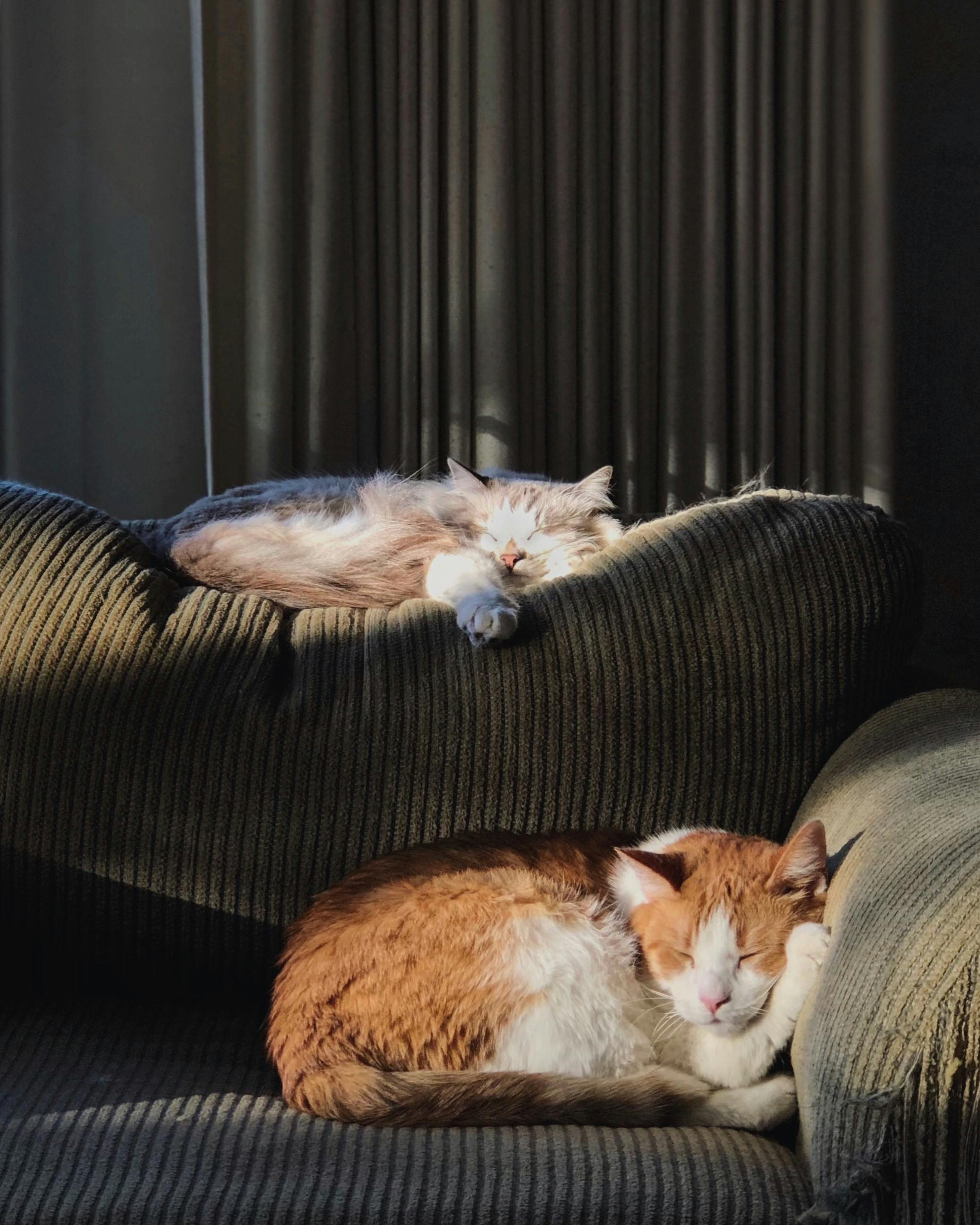
In addition to domestic cats living in homes across Australia, an additional 0.7-2 million cats live without owners, but still live within the fringes of towns and cities and are dependant on humans to some degree. These are defined as 'stray' cats and are distinguished from 'feral cats by the RSPCA and Australian government.
Cats are curious, intelligent and social, forming strong bonds with each other, with human companions and with other species. They are well suited to domestic living and are believed to have domesticated themselves, preferring the comfort of life alongside humans to the challenges of the wild.
Cat Breeding
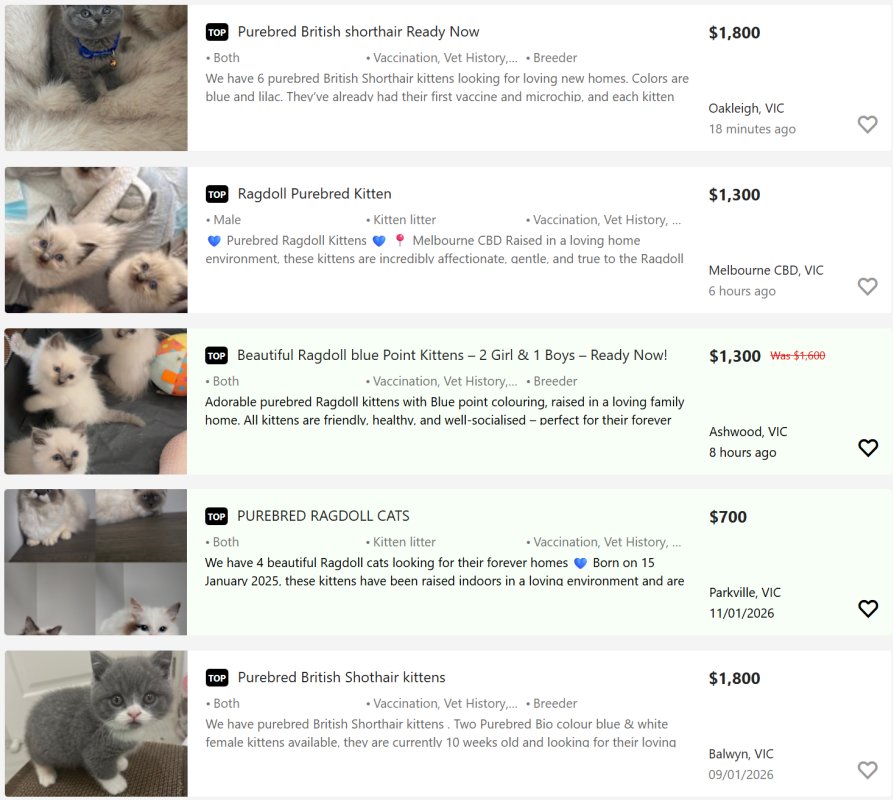
While the unethical breeding of dogs is a more well-known issue, less is known about the breeding of cats. Registered and unregistered breeders produce desirable cat breeds to sell to people, often with a high price tag attached.
In 2020 a South Australian cat breeder was convicted of cruelty offences, after RSPCA inspectors found over 100 cats living in 'squalid' conditions with inuries and infection. Three dead kittens were also found in the house.
In 2012, the discovery of 30 cats living in filthy cages at the back of one of Victoria's top breeders, sparked outrage. Pictures showed cats living in faeces and dirt, without human contact.
Ocassionally, kitten farming will be used as an additional revenue source for puppy farmers. However, many cats are bred by backyard breeders. Higher welfare registered breeders, as well as unregistered back-yard style breeders also contribute to the over-population of, and euthanasia of healthy yet homeless shelter animals.
Cats in animal shelters
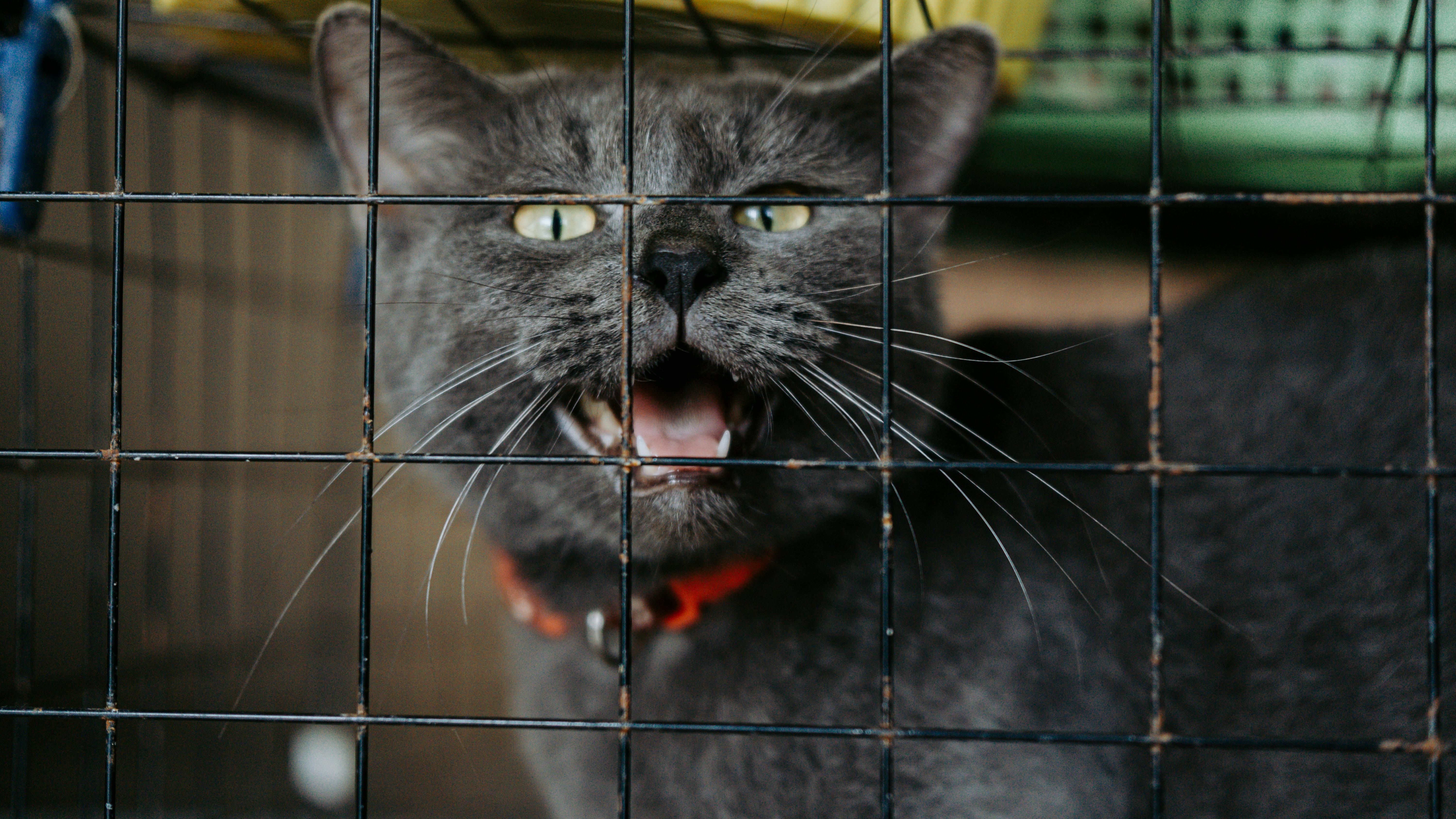
Each year, approximately 50,000 cats and kittens are killed in animal shelters across Australia. This staggering death toll comes from cats being abandoned by their 'owners,' lost or surrendered due to changes in circumstances, such as 'owners' moving or passing away. Other cats and kittens will be born as strays, the product of lost or abandoned cats who were never desexed.
Research published in 2023 found that Australian council pounds, rescue groups and animal welfare shelters took in 179,615 cats and kittens in 2018-2019. Of these animals, 5% were reclaimed by owners, 65% rehomed and 28% killed.
Council-operated pounds killed 46% of all cats and kittens admitted. Shelters killed 25%. One in four council pounds in New South Wales and Victoria killed a staggering 67-100%.
A recent proposal in Victoria would shorten holding times in pounds from eight days to four, further increasing the number of cats killed in shelters. In 2023, over 10,000 cats and kittens were killed in Victorian pounds.
Wild-Living Cats
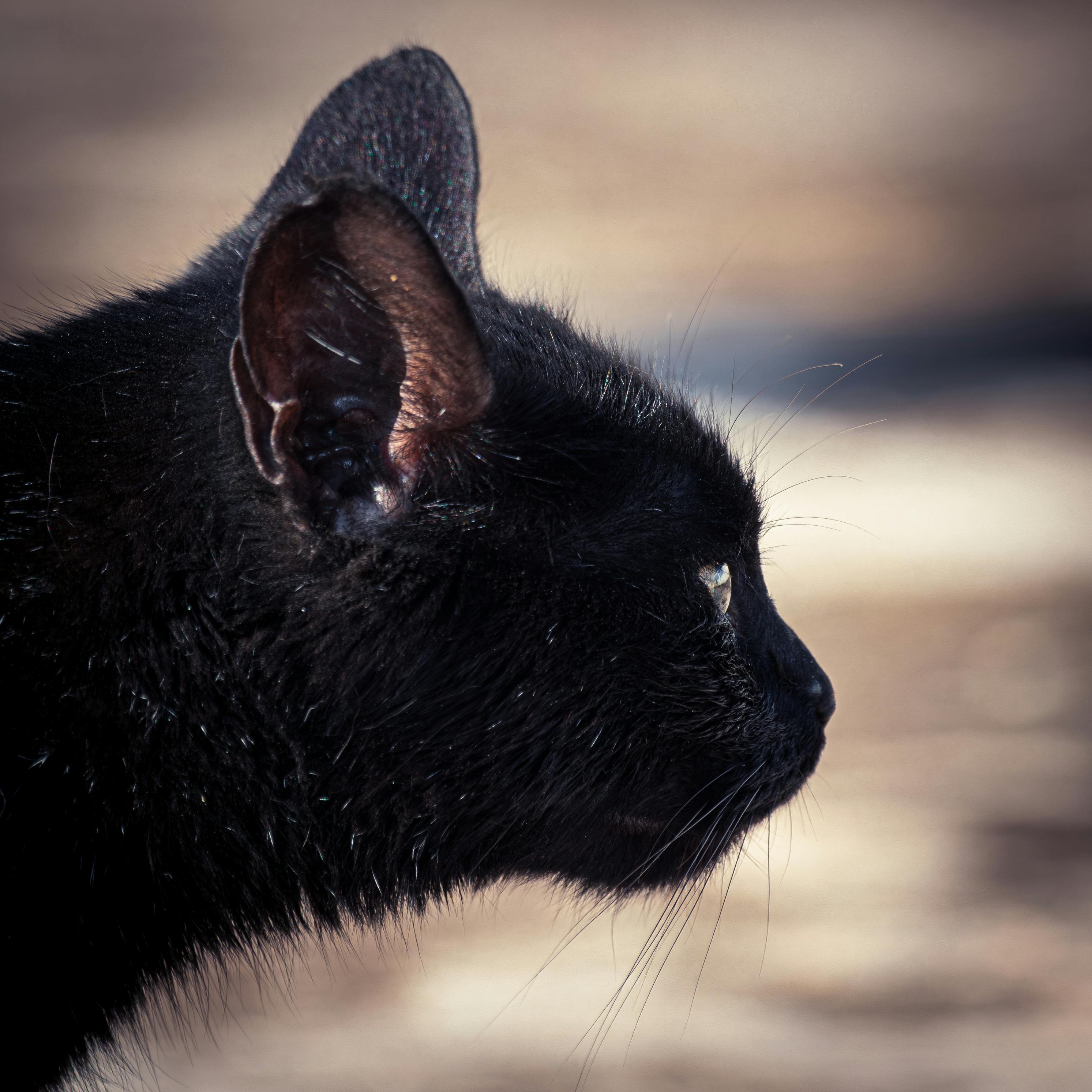
Mahmoud Yahyaoui
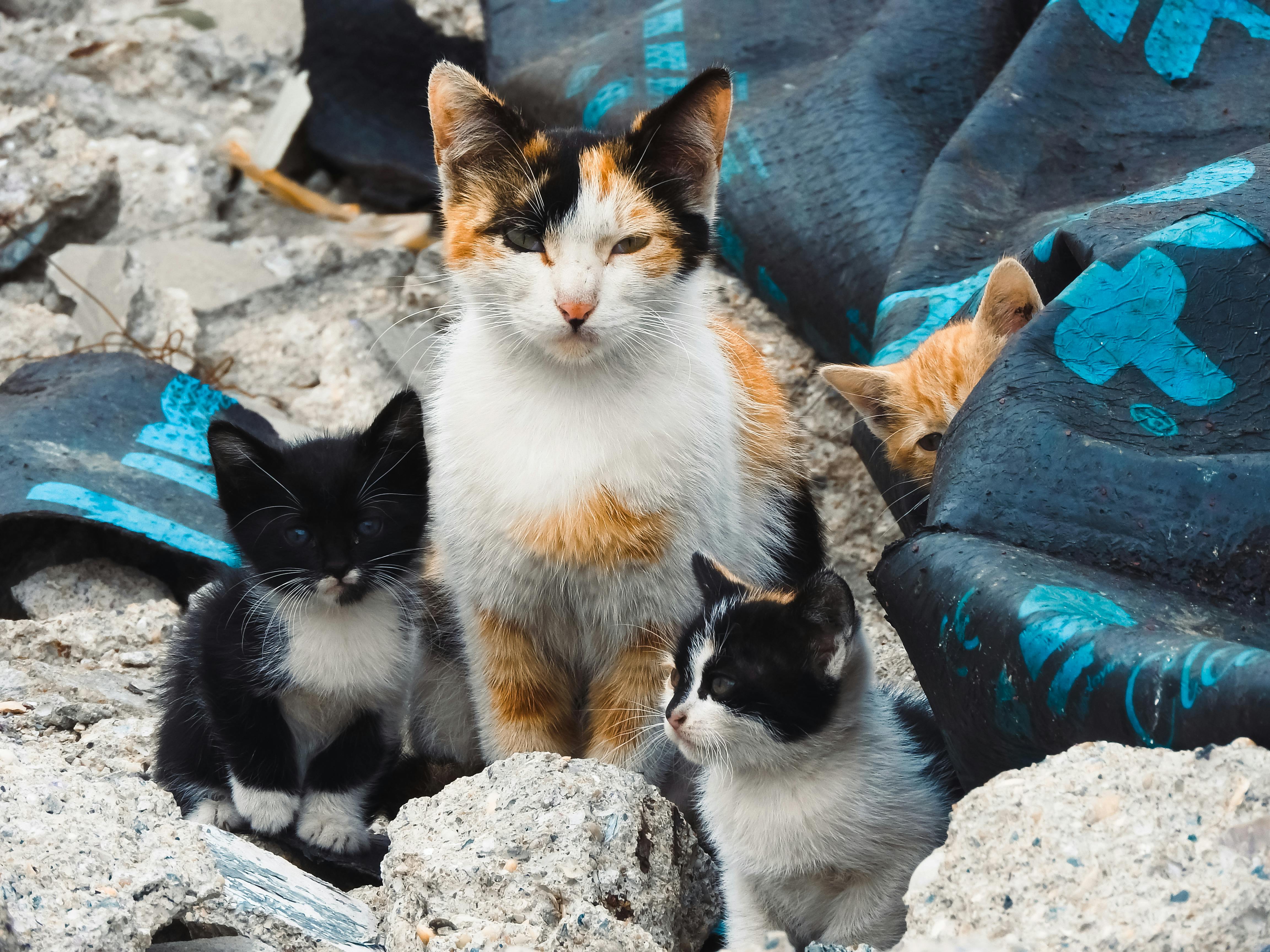
'Feral' cats, or wild living cats, are cats who live independently from humans, hunting and scavenging to survive. These individuals all descend from domestic cats who have escaped or, more frequently, been released or abandoned by humans. Wild cat numbers in Australia are estimated at between 2.1 and 6.3 million.
Wild cats are skilled hunters and can decimate native wildlife. Australia has few native apex predators, meaning that the impact of wild cats on delicate ecoystems can be catastrophic. Some estimates say that wild roaming cats kill an average of 5 million native animals every single day and have already helped to push 27 native animals into extinction.
Cats were introduced by humans and have ended up in wild spaces due to abandonment and negligence. Yet government programs designed to control or eliminate wild cats treats them as invasive monsters, rather than intelligent individuals capable of feeling pain and suffering.
The most commonly used 'feral' cat control techniques are shooting, trapping, lethal baiting and exclusion fencing.
Shooting
In some parts of Australia, feral cat 'bounty programs' offer a monetary award for the killing of cats in the wild. Hunters will have to bring back some part of the cat, such as their scalp or tail, to claim the reward. As wild cats in Australia are identical to domestic cats, there is often no way to verify whether cats being shot are truly 'feral' or have been allowed to roam by their 'owners.'

Lethal baiting, grooming traps and trapping are also methods used to capture and kill wild cats.
Lethal baiting
Sodium fluoroacetate (1080) is sometimes used for feral cat control in Australia. In cats, poisoning from 1080 is typified by severe central nervous system disturbance, hyperexcitability, convulsions and ultimately respiratory failure, or occasionally, ventricular fibrillation. It is thought that during the initial onset of signs (e.g. incoordination, salivation, vomiting, retching, incontinence and hyperpnea); the animal is likely to be conscious and capable of suffering. However, during the latter stages, when the animal shows signs of central nervous system disturbance including collapse, convulsions and tetanic spasms, suffering may not occur.
Non-target animals including native species, working dogs and livestock can also be exposed to poisons either directly by eating baits intended for pest animals (primary poisoning) or through the scavenging of tissues from a poisoned animal (secondary poisoning).
1080 and other poisons can be consumed through baited meat but, as cats do not generally feed on carrion, specialised 'grooming' traps have been developed.
The Felixer device is a 1080 based grooming trap used to kill wild cats. It uses visual targeting technology to spray cats, but not other species, with sodium fluoroacetate poison (commonly known as 1080). The sprayed cat then ingests the toxin when they groom, causing convulsions, respiratory failure and death.
Trapping
In some areas, wild cats may be trapped and shot. Parks Victoria state that they will use cage traps to trap 'feral' cats, while rubber padded leg hold traps can be used in limited circumstances. Leg-hold traps can cause serious injuries to animals as they try to escape. All trapped animals can also suffer from exposure, thirst, starvation, shock, capture myopathy and predation.
What you can do
There are many ways we can help protect cats, and properly care for the ones that are part of our family. Some of the best things you can do are:
- Adopt don't shop - for every cat that is brought from a breeder, there are a hundred waiting for their forever home at a shelter or animal rescue. Adopting a cat saves two lives, the cat you take home and the one who will fill their place at the animal shelter or rescue.
- Keep your cats indoors - Cats who are allowed to roam can cause significant damage, killing birds, rodents and small mammals, including protected species. It's not their fault! Keep your cat indoors or allow supervised access outdoors.
- Desex your cat - Don't be responsible for more cats ending up in the pound on death row! If your cat escapes, roams or becomes lost and is not desexed, it could end up with more stray cats on the streets. Desexing can also prevent a range of health issues, making it the kinder choice for everyone!
- Make sure your cat is microchipped - cats without microchips often end up in kill shelters where, unable to contact a registered owner, staff will often euthanise them. Make sure your cats are microchipped and registered so you can always find them if they become lost.