
Reptiles
Australia is home to over 10% of the world's reptiles with over 860 species. Many of these species are found nowhere else in the world.
Reptiles are ectothermic, meaning that their body temperature varies with the outside temperature. They have scales and reproduce by laying eggs or giving birth to live young.
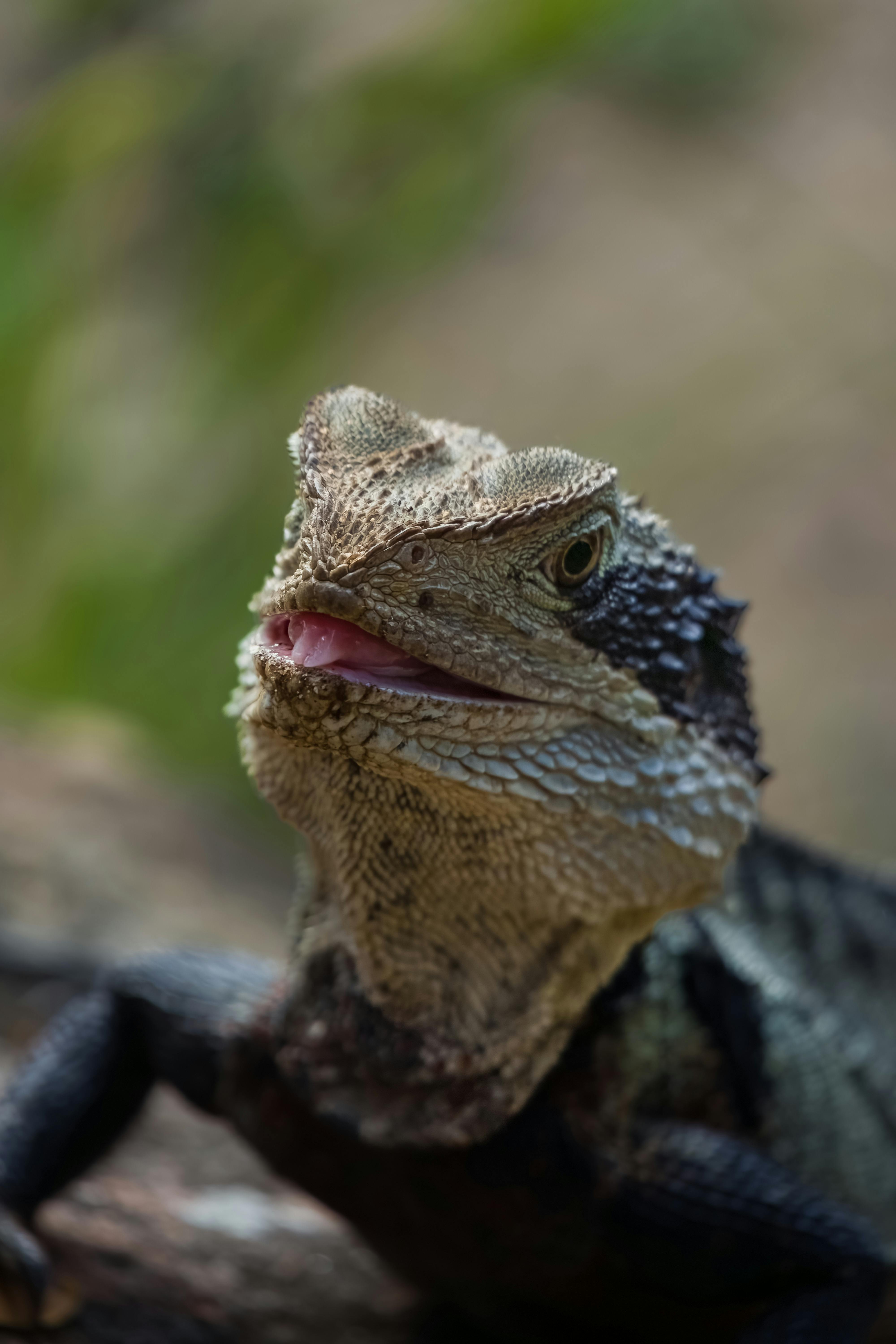
It is illegal to keep non-native species of reptiles as pets in Australia. Some native species can be kept as pets, and licensing conditions vary state by state. Pet reptiles must come from approved breeders and it is illegal for wild animals to be captured and kept in captivity, with very few exceptions.
Reptiles in captivity
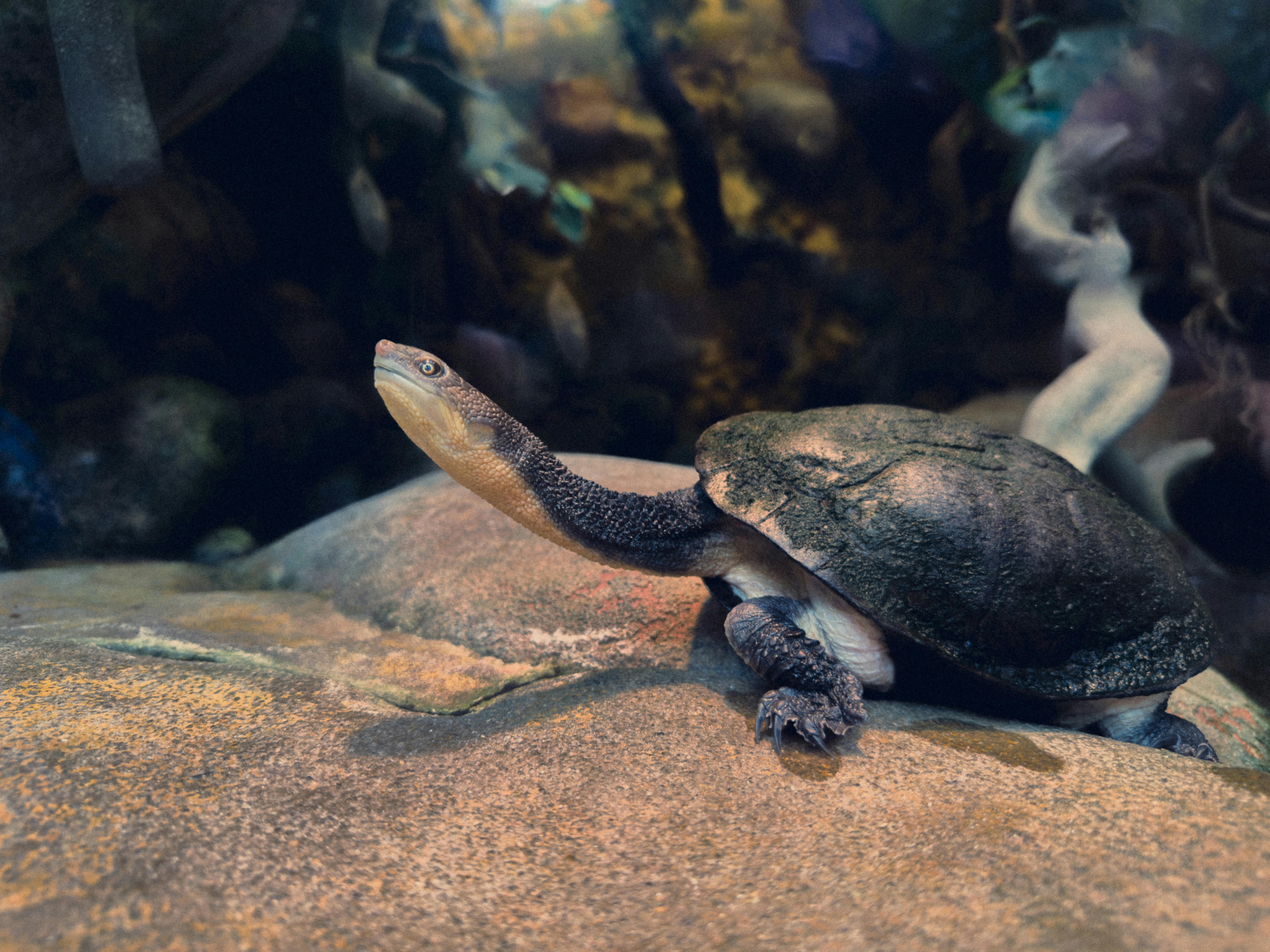
Reptiles are sensitive animals with highly specialised needs. Despite this, no training is required to acquire a license to keep reptiles. A 2015 study found that 3.6% of snakes, chelonians and lizards died within one year of acquisition. Another study puts this rate much higher, finding that 75% of reptiles in the UK homes die within a year.
Websites like Australian Reptile Sales and Supplies allow people to purchase reptiles online. They are then shipped to people's homes, often flying across the country packed into boxes. Other reptiles will be sold in store at pet shops such as Kellyville Pets in Sydney or Reptile Life in Melbourne.
Reptile Food
Many reptiles are instinctive hunters, and breeders will encourage the feeding of live prey, allowing them to engage in active foraging and capture their food. Many pet stores will sell live crickets and grubs to feed to reptiles. Rescue organisations in Melbourne have found boxes of these crickets discarded in bins outside pet stores.
Breeders such as Dolittle Farm and Rodents Australia breed and kill rats, mice and quails for captive reptiles kept in homes, pet shops and zoos.

Rats and mice will be killed, usually by being gassed with CO2 gas, and then frozen. Videos online give detailed instructions on how people can create a homemade gas chamber to kill rodents, before freezing them and feeding them to their pet snakes.
Like with other animals, CO2 is highly adversive to rodents, leading to prolonged suffering as they're being killed.