
Health Complications
E-IPH
Exercise-Induced Pulmonary Hemorrhage (EIPH) is a common disorder affecting racehorses. E-IPH refers to the breaking of blood vessels in the lungs during high intensity exercise. E-IPH is considered a contributor to 'poor performance' in racehorses.
A report prepared by the Rural Industries Research and Development Corporation and funded by Racing Victoria, found that 68.4% of horses from a sample of 747 had blood in their airway or lungs.
Only a small number (as little as 1%) of horses suffering from E-IPH have blood in their nostrils, and those without are difficult to diagnose as they bleed into the lungs without showing external signs.
Grades of E-IPH
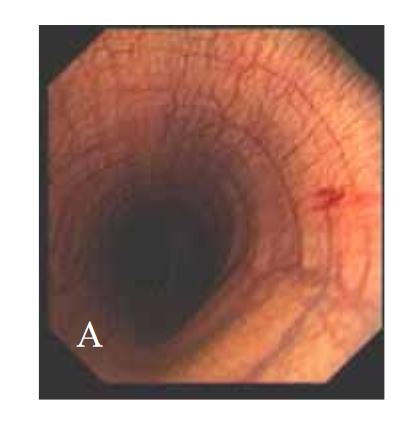
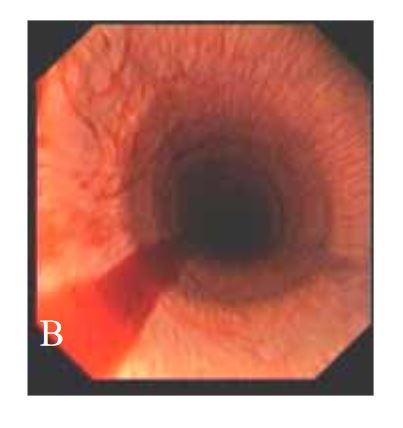
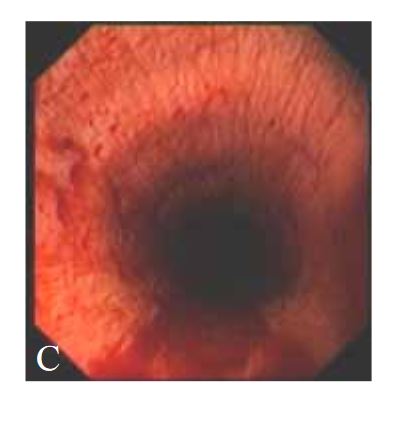
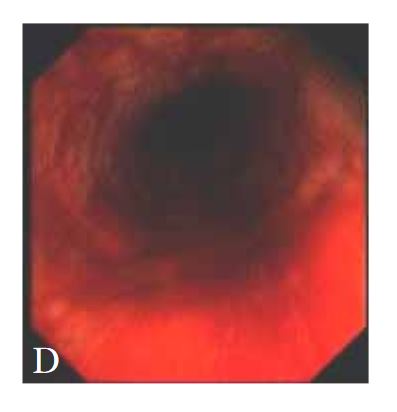
Grades of E-IPH. Source: AgriFutures
Grade 1 (A): "Presence of one or more flecks of blood."
Grade 2 (B): "One long stream of blood (>half the length of the trachea) or > 2 short streams occupying less than 1/3 of the tracheal circumference."
Grade 3(C): "Multiple, distinct streams of blood covering more than 1/3 of the tracheal circumference. No blood pooling at the thoracic inlet."
Grade 4 (D): "Multiple, coalescing streams of blood covering >90% of the tracheal surface. Blood pooling at the thoracic inlet."
Stomach ulcers
Racehorses are at a high risk of developing gastric ulceration. Gastric ulceration, also known as stomach ulcers, is a painful disease for horses.
A study examining stomach ulceration in 345 racehorses (331 thoroughbreds and 14 standardbreds) found that 86% of the subjects had the disease. Studies have found that there is a strong correlation between high intensity exercise and gastric ulceration, and the length of time a horse has been in training is found to be significantly associated with the prevalence of stomach ulcers.
Confinement, training and physiological and psychological stress are all factors that have been found to play a role in the prevalence of stomach ulcers in racehorses.
Horses that have increased time in pastures have been found to have less prevalence of the disease. However, it has been hypothesised that this is more attributed to horses being relieved from boredom and having social contact with other horses, rather than diet. Again, this suggests stomach ulcers are inherently associated with stress.
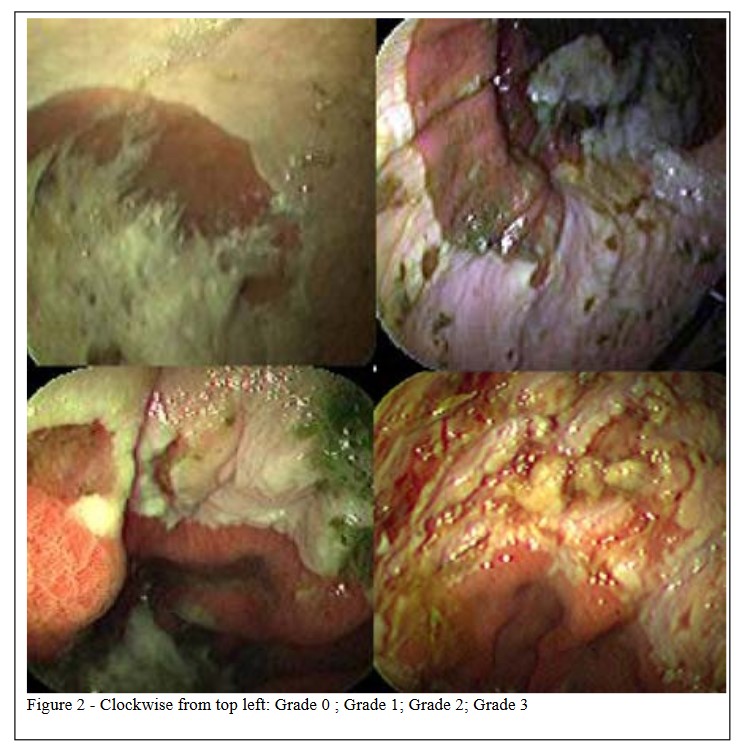
Stomach Ulcers in Racehorses. Source: AgriFutures
Equine Asthma (formerly inflammatory airway disease)
Severe equine asthma affects approximately 15% of horses. Racehorses are found to be more susceptible to the disease due to the way in which they are housed.
Equine asthma is said to be caused by environmental irritants. Racehorses are kept in stables for up to 23 hours a day, and as a result are exposed to dust and atmospheric pollutants from their bedding and stable debris. Stables significantly restrict opportunities for voluntary movement, and studies show stabled horses spend the majority of the time inactive.