By-catch
By-catch refers to all the unintended marine life caught by commercial fishing vessels. Marine animals often become trapped in the various nets used in large-scale fishing operations.
The marine animals worst affected by this are those who are otherwise long-living, and who slow breed. Dolphins, whales, seals, turtles and albatrosses are among the species impacted.
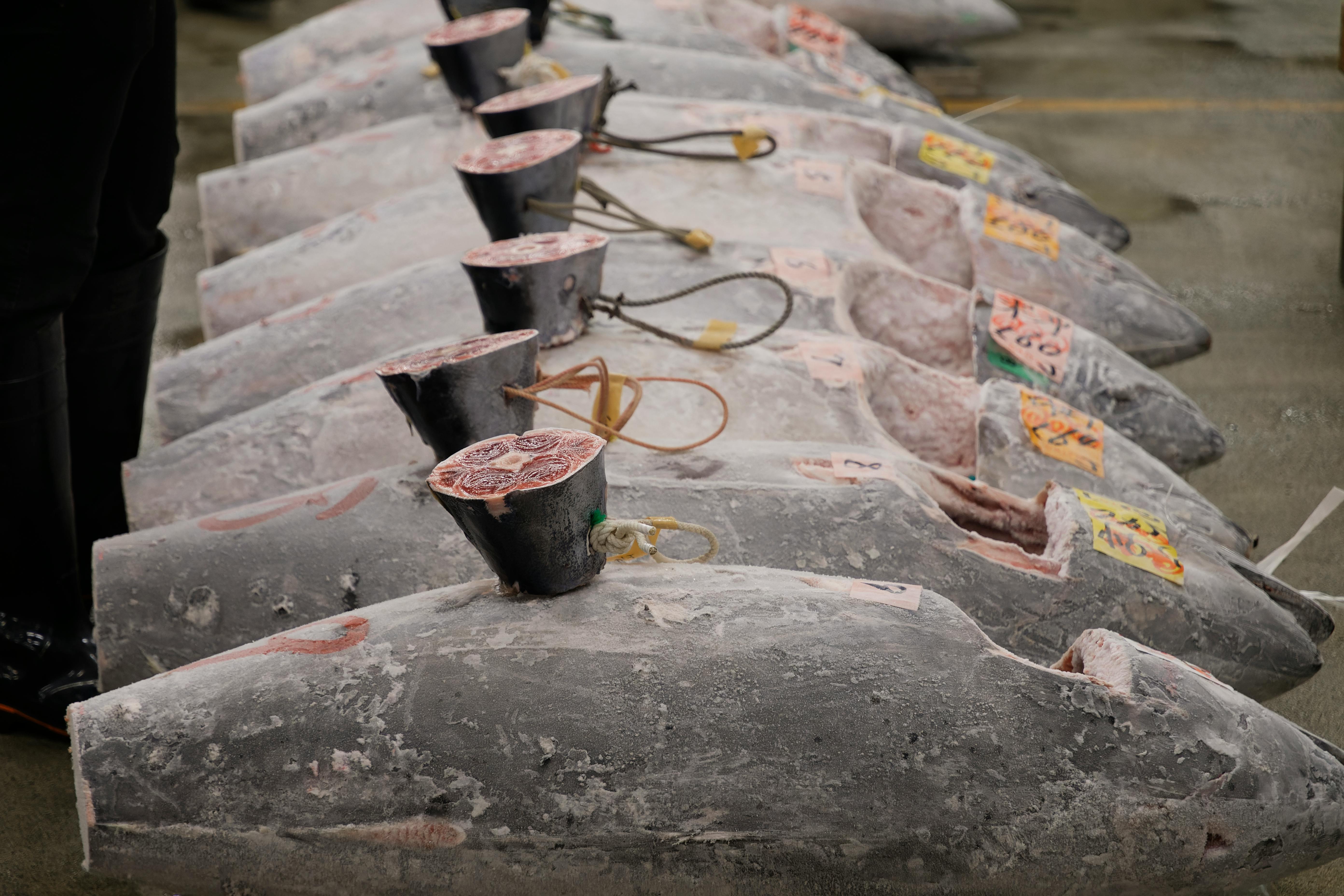
Every year, at least 38 million tonnes of fish caught by the fishing industry are considered by-catch. This represents at least 40% of the industry's total fish catch.
These numbers only account for fish and do not include the seabirds, turtles, or marine mammals, such as dolphins, whales, and seals that are also caught as by-catch. Many of these species and subspecies are so endangered that the deaths of even a few individuals can critically impact the whole population.
How does this happen?
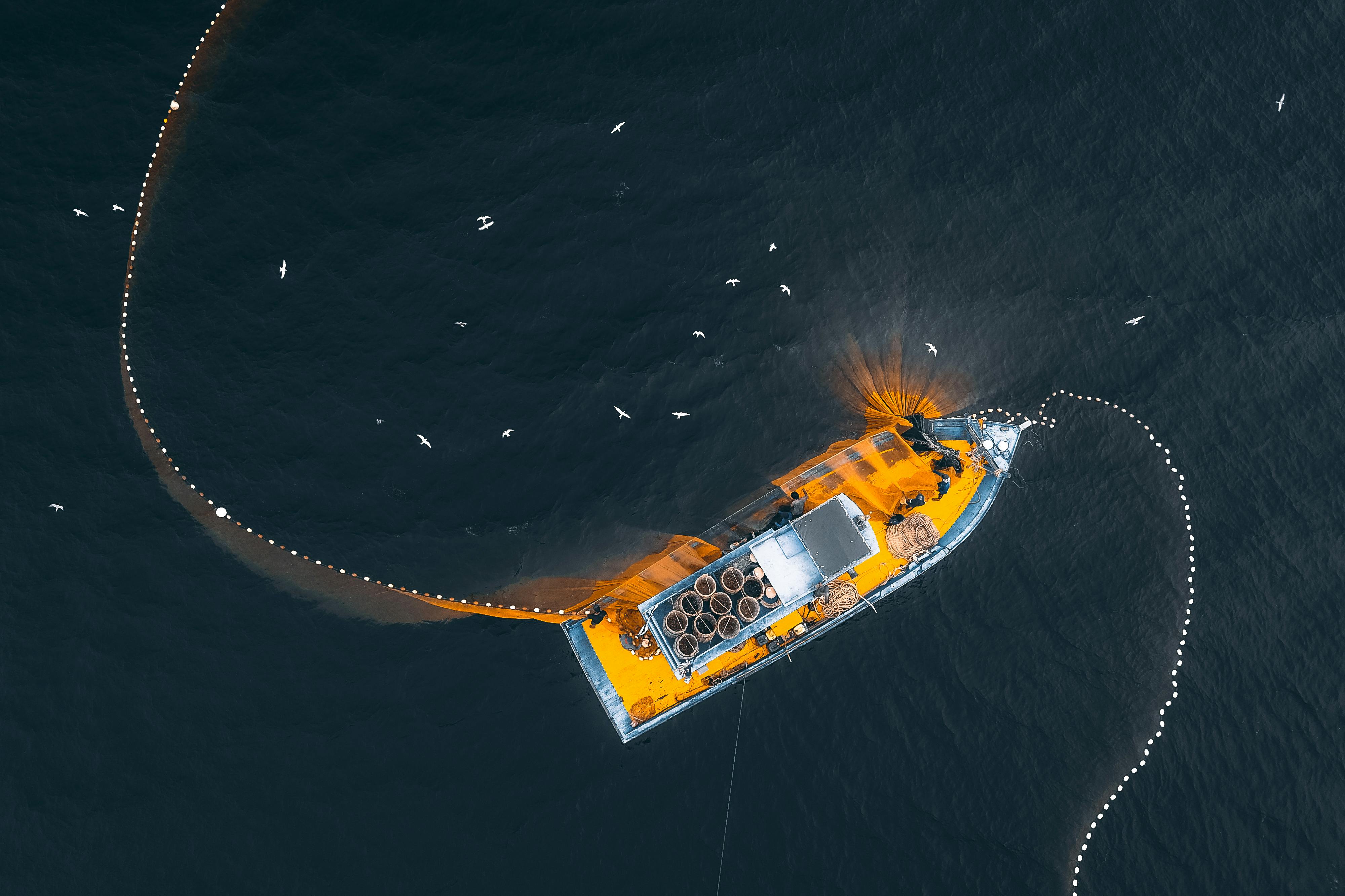
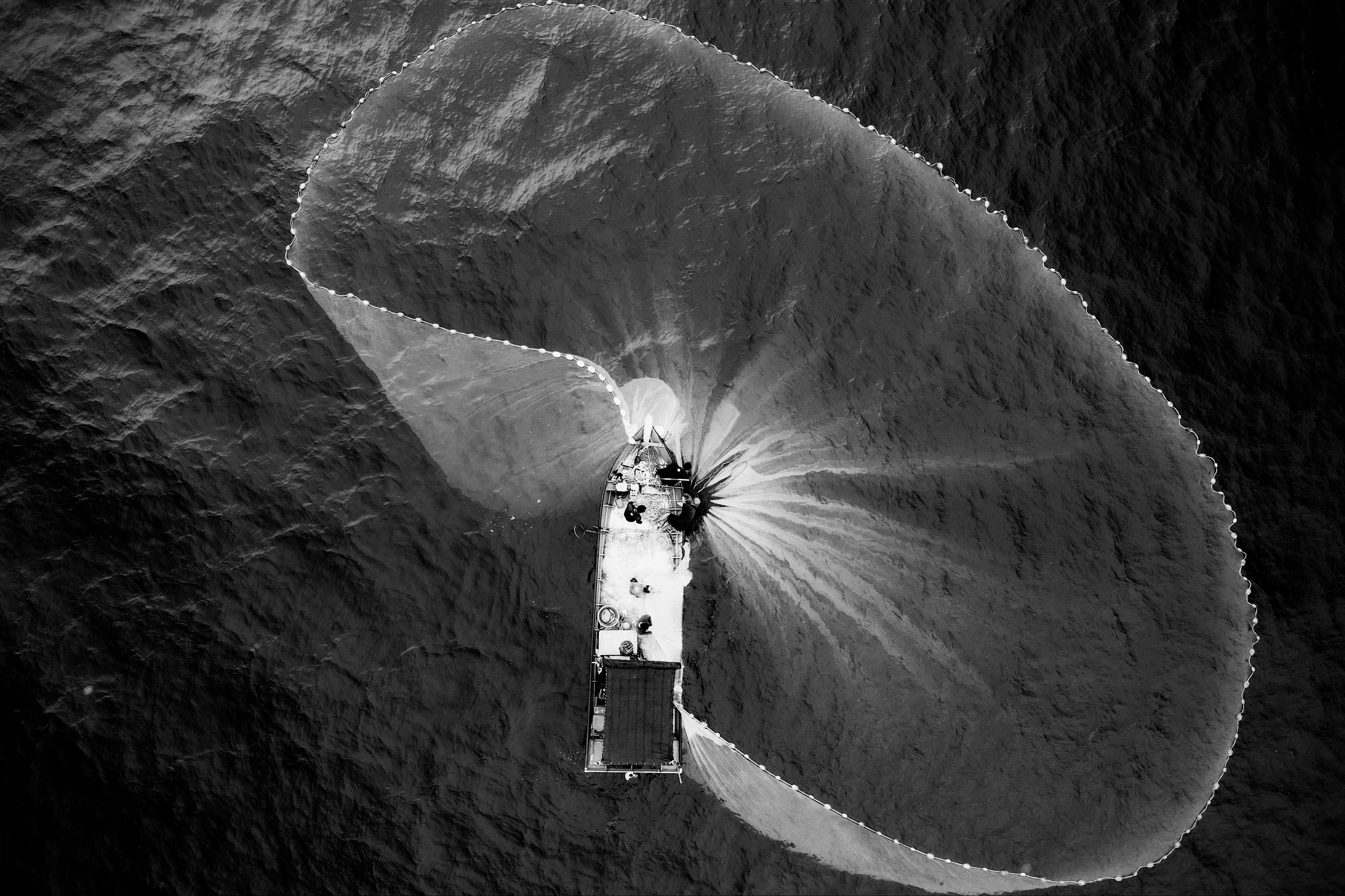
Fishing nets do not discriminate. Take, for example, tuna, salmon, sardine, squid, and mackerel fishing, which commonly utilise purse seine nets. These nets can reach more than 2,000 metres (6,500 feet) in length and 200 metres (650 feet) in depth. Many different species get caught in these nets, including sea turtles, dolphins and whales.
NOAA Fisheries says:
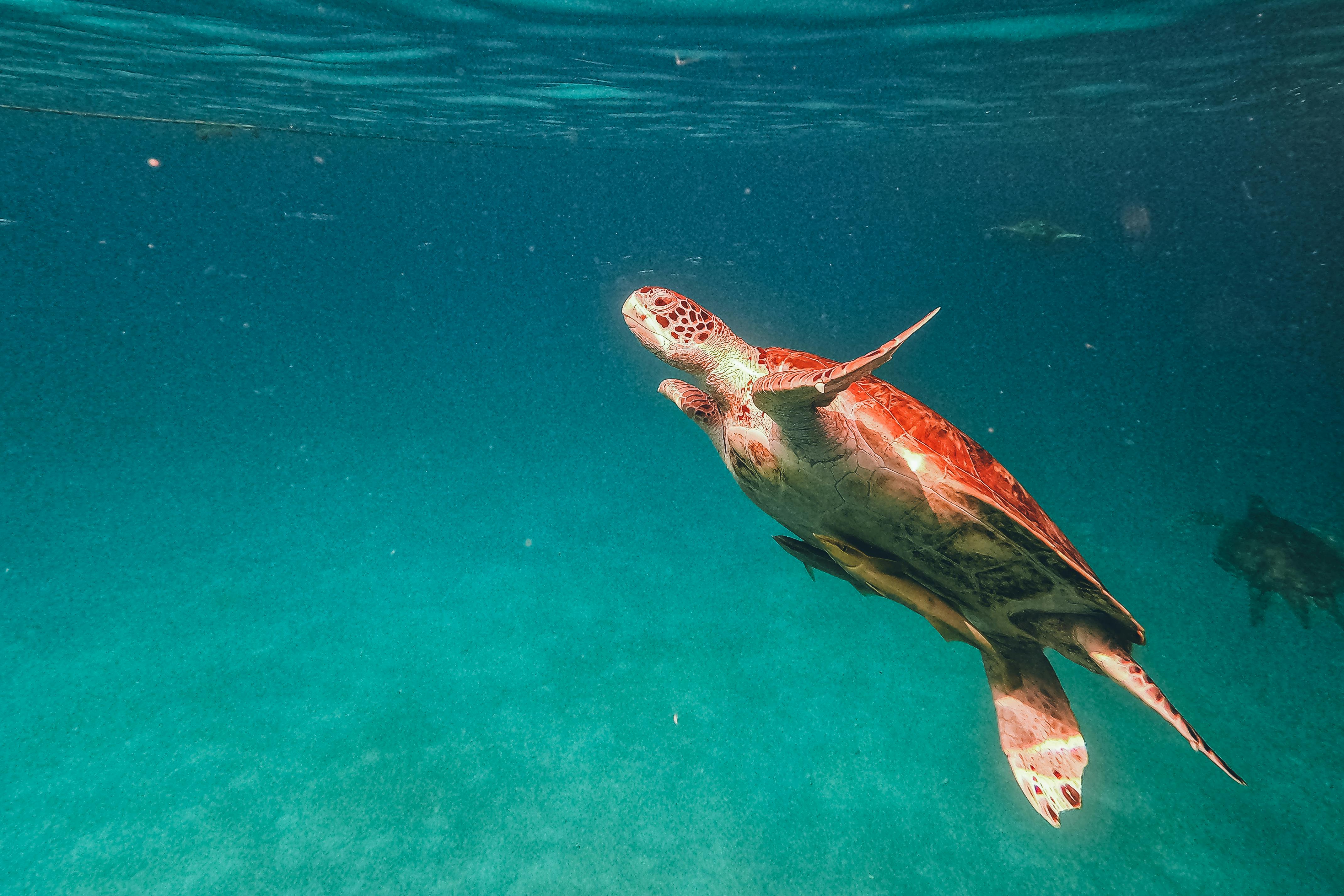
"Purse seining is a non-selective fishing method that captures everything that it surrounds, including protected species. Sea turtles can be captured by a purse seine as it is set and then become entangled in the net mesh as it is hauled in. Entangled turtles may sustain injuries to their flippers and shells due to the force of the net as it is hauled. In a large catch, sea turtles risk being crushed under the sheer weight of the tow."
NOAA Fisheries continues:
"Purse seines can easily encircle marine mammals [including dolphins and whales], along with target species as the net is set.
Once the netting has been set, encircled marine mammals cannot escape and can become entangled, injured, or stressed. Even with quick retrieval, marine mammals' sensitive bodies and internal organs cannot usually withstand the weight of the catch or the impact of being placed on the vessel."
Purse seine nets are commonly used around the world, including in the USA and Australia.
Another type of nets are gill and trammel nets. These are the most commonly used fishing gear.
The Safina Center reports that when these animals are caught, their heads, mouths, fins, or limbs can become entangled in the strong netting, making it nearly impossible for them to escape. The lines on the top and bottom of the nets, which are thin and sharp, can also lacerate their bodies, leading to infections, loss of body parts, and limited movement. For animals that need oxygen to breathe, like dolphins and sea turtles, entanglement is often a death sentence to drown. Even if freed, these animals may be so injured, their ability to move and feed are reduced, causing a slow and painful death.
Likewise, when longline fishing methods are used to capture fish such as tuna, cod and swordfish, many non-targeted species are caught and killed.
Longlines can reach across 130 kilometres long and can carry up to 40,000 hooks along their length.
These hooks capture whichever sea animals take the bait. By-catch species for longline fishing include high numbers of sea birds (who dive under the water to eat the bait), like albatrosses, as well as sharks.
15 of the 22 species of albatross are facing extinction, and the worst threat they face is longline fisheries.
Does by-catch only occur in large-scale fishing operations?
These fishing methods exist in order to catch as many fish as possible to keep up with the world's ever-growing appetite for seafood. More fish are killed for food every year than any other animal on the planet.
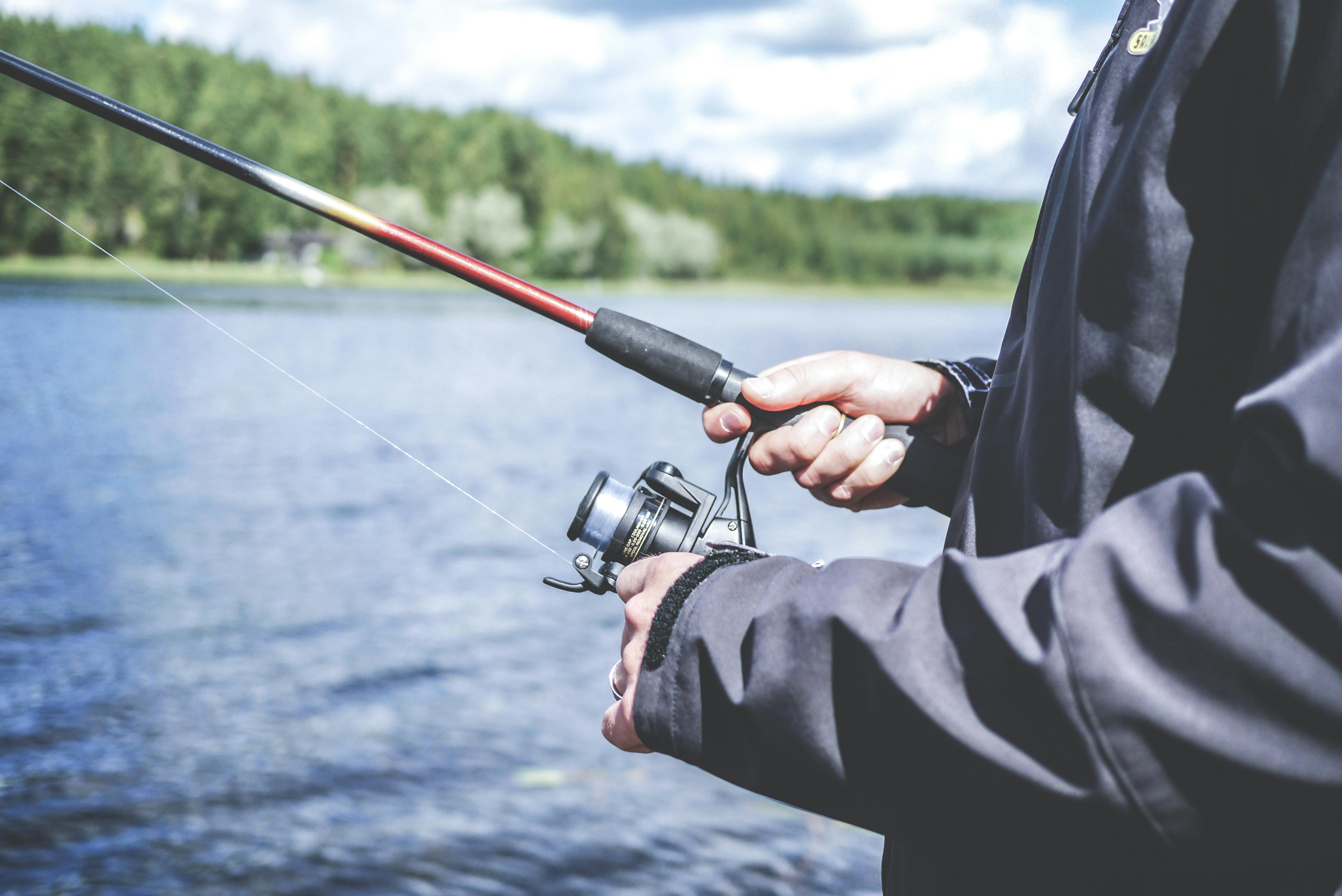
Although by-catch occurs more commonly and in larger quantities in commercial fishing operations, even in line fishing (which is practised both commercially and recreationally), it can occur. There is no way to control which species of animals are taking the bait on the end of a hook.
Catch and release fishing is not only painful, exhausting and incredibly traumatic for fish, but can also be a cause of death. After being hooked, many fish are no longer able to feed as well as previously, or even at all. Additionally, being out of the water exposes fish to warmer temperatures, as well as hypoxic (lack of sufficient oxygen) or anoxic (completely devoid of oxygen) environments, leading to delayed mortality.