
Rabbits
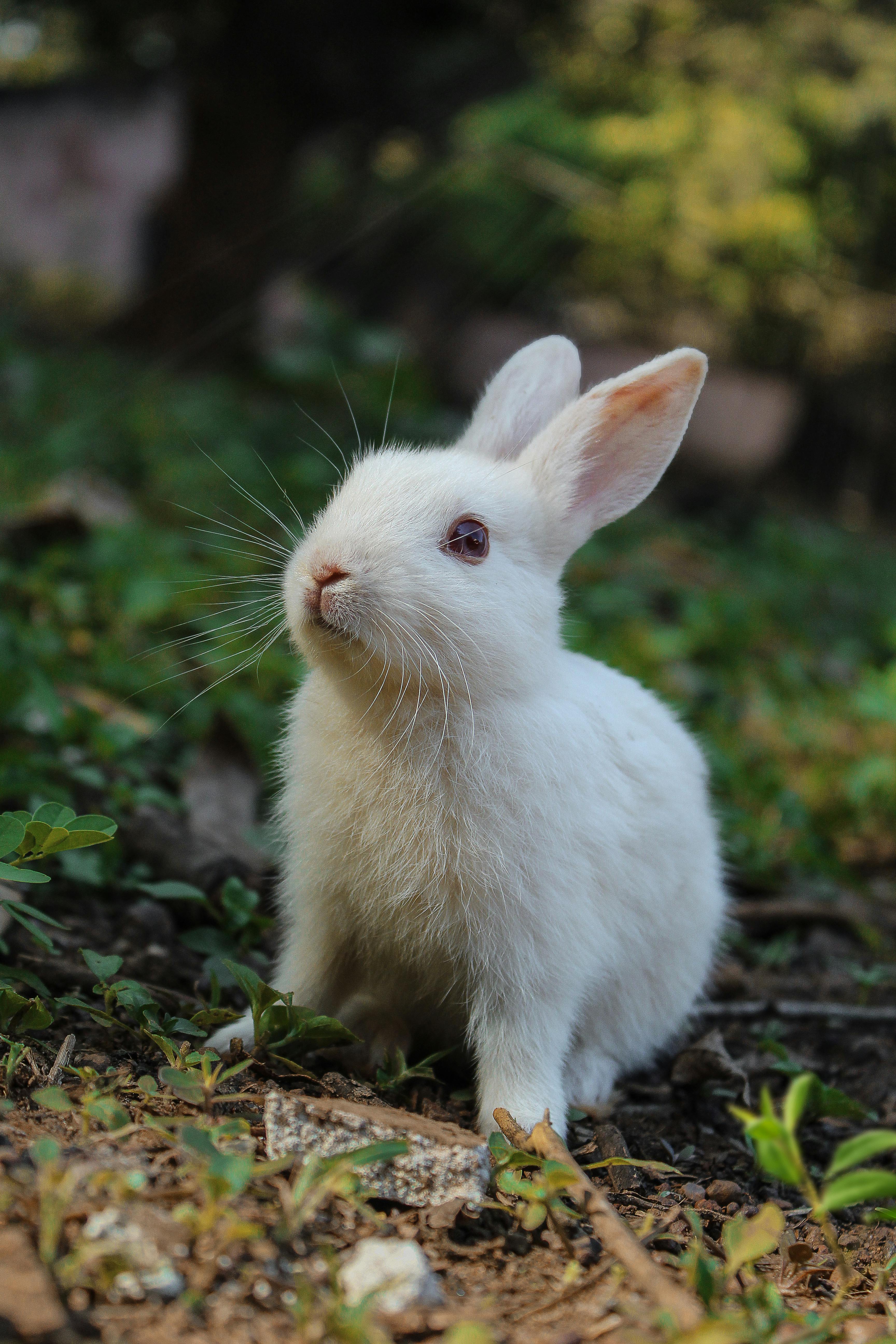
Other than dogs and cats, rabbits are one one of the most popular pets in Australia. In 2023, it was estimated that 2.5 million pet rabbits lived in homes across the country. It is believed that most wild rabbits are descended from just 24 rabbits released near Geelong in 1859.
Satyabrata sm
Rabbits are popular pets across Australia, however it is illegal to keep rabbits in Queensland, unless you are a magician.
Pet bunnies come in different sizes, breeds and colours. The most popular breeds are Dwarf Lob, Mini Lop and Netherland Dwarf rabbits. Other popular breeds include New Zealand White, Flemish Giant, Dutch, Rex and Mini Rex and Angora rabbits, which are also used by the fur industry.
Rabbits in Animal Shelters
Ron Lach
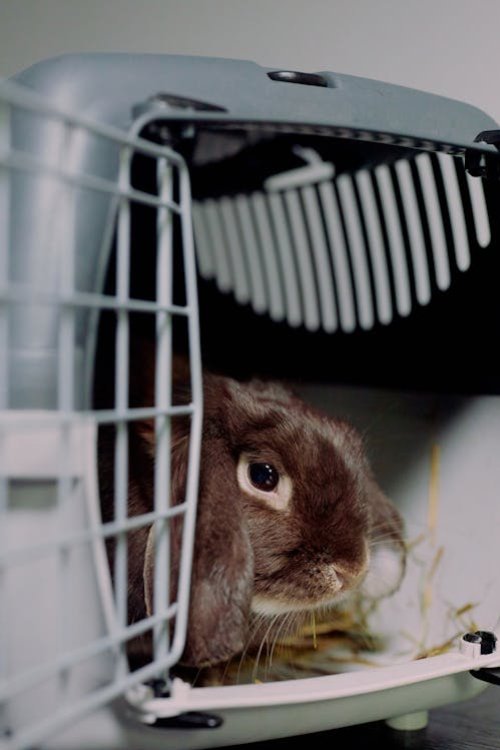
In 2023-2024, the RSCPA received 6,446 'other animals' into shelters across Australia. This number includes rabbits. 1,406 of these animals were euthanised, or 21.81%. Many pounds only release information relating to dogs and cats, meaning that the true number of rabbits and other small animals in pounds across Australia remains unknown.
Shelters are loud places. There are usually a large number of stray and unwanted pets there. Most shelters in Australia will euthanise a surrendered animal within a week, and those who cannot find a new home will also be euthanised in a limited time frame.
Rabbits in Pet Shops
Songhan Wu
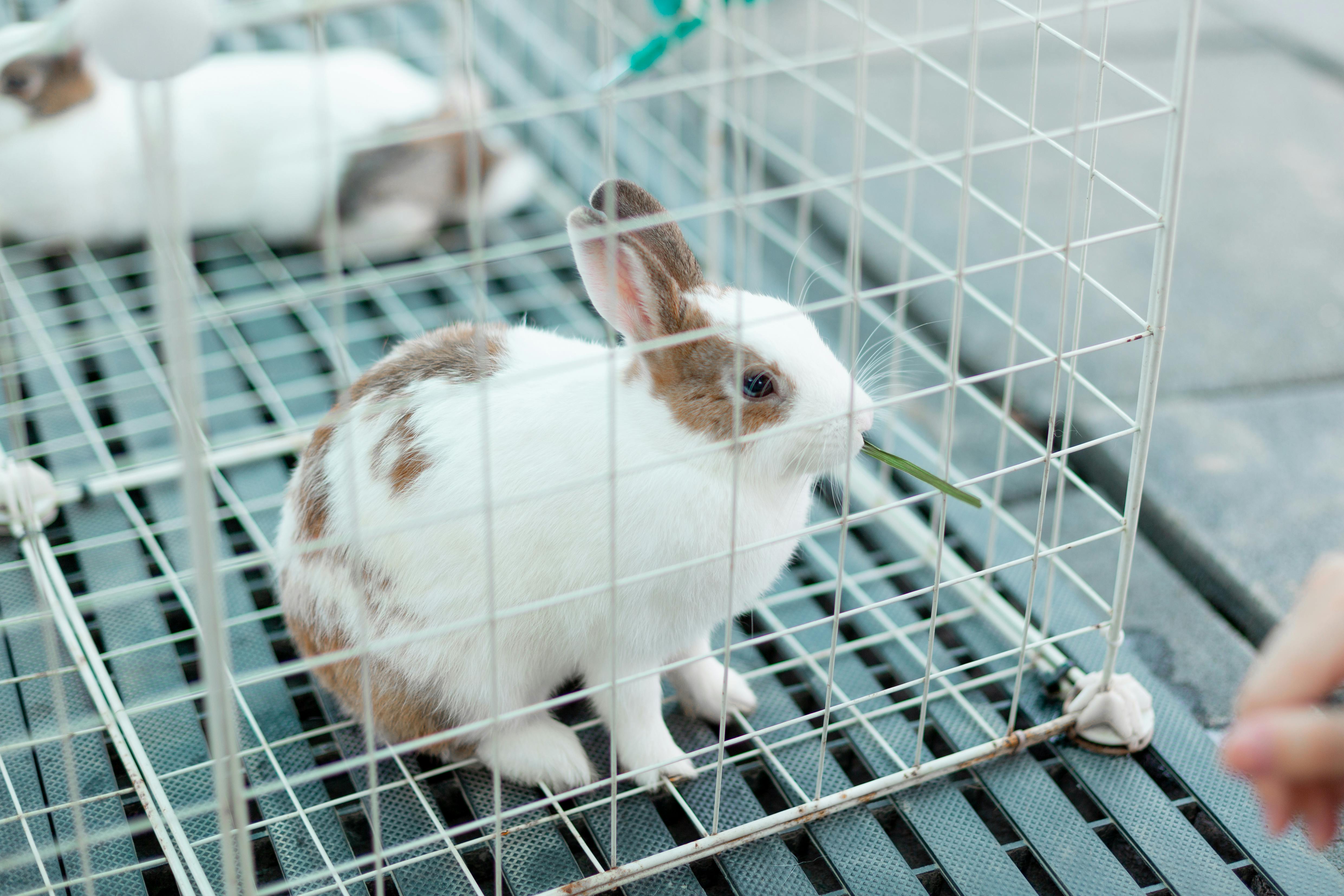
While many pet shops have moved away from having cats and dogs available for sale in store, it remains common for rabbits to be kept in small, glass enclosures.
Many pet shops receive their rabbits from breeders with unknown breeding conditions. Those conditions could be unsanitary, with dark cages, lack of nesting boxes, and lack of exercise. Some Does are bred constantly until they develop mastitis and then culled for their lack of productivity to the breeding business.
Rabbits are usually purchased young. Handling and transportation at a young age means that many will die while being transported or will suffer stress related issues. Those rabbits are then displayed in windows in unnatural conditions, and remain in the pet shop until they are purchased or need to be euthanised.
In the Victorian Code of Practice for the Operation of Pet Shops, it is mandatory that dogs and cats are vaccinated prior to sale and are obtained from an approved source. No such requirements are in place for the sale of rabbits, meaning that they are often sold unvaccinated and from unknown breeders.
Rabbits bought at pet stores are also not desexed. They are sold to pet stores very young, with many sexes unidentified. Desexing a rabbit is of huge importance, due to the ease of breeding, and the high percentage of females dying of a uterine cancer if not desexed early. Uterine cancer will develop in up to 60% of undesexed female rabbits over three years old.
Most rabbits breeds become sexually mature at between 3.5 - 4 months old. Once they are capable of reproduction, rabbits breed incredibly quickly, becoming receptive to mating for about 14 of every 16 days. Pregnancy lasts only 31-33 days and female rabbits (does) can give birth to 12 or more babies (kits). Does can become pregnant again just 24 hours after giving birth.
There are many stories of people buying improperly sexed rabbits from a pet shop and ending up with unexpected litters. This accidental breeding increases the strain on animal shelters and rescue organisations, who already are faced with the challenge of caring for an rehoming abandoned and surrendered pet rabbits.
Improper Care
Max
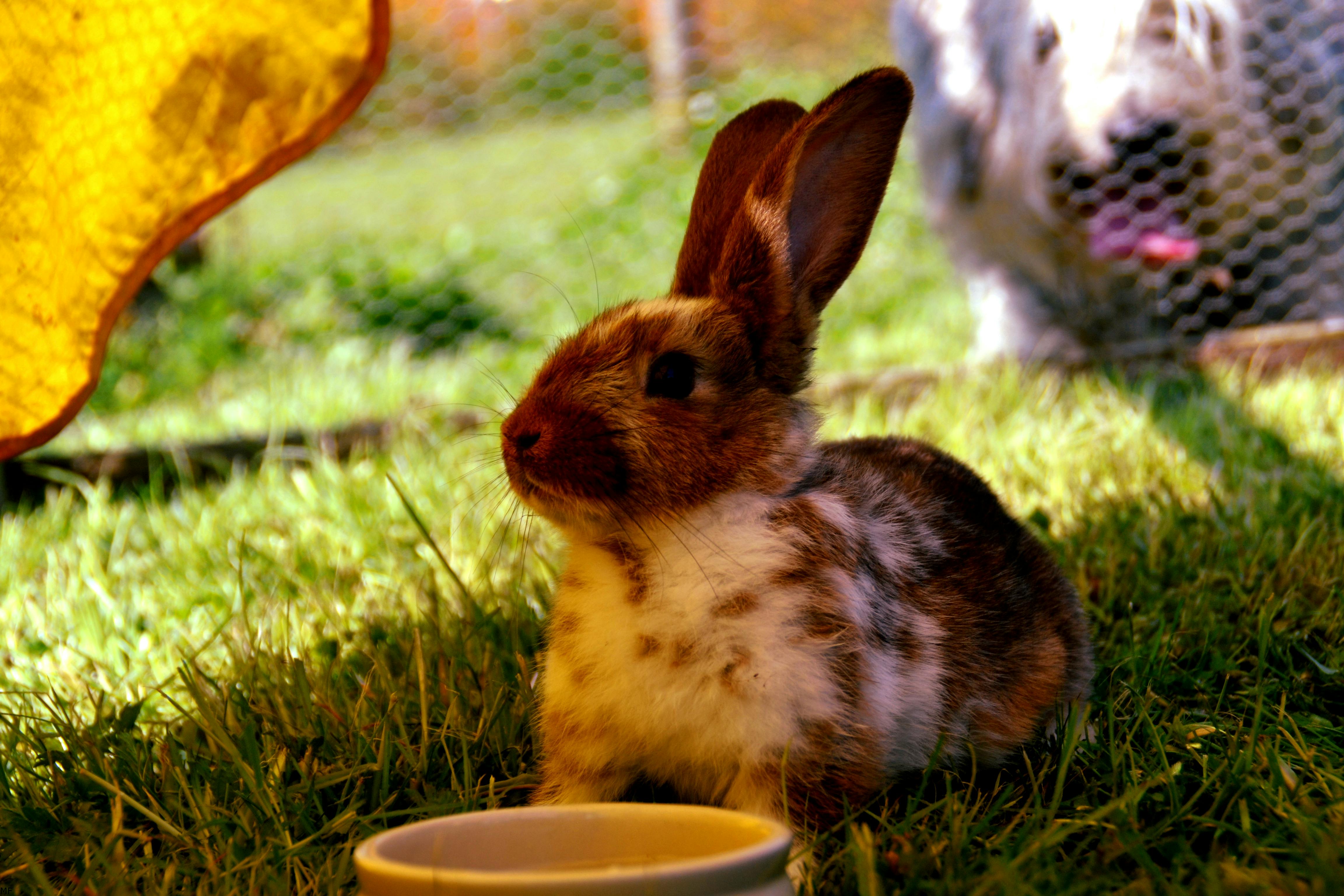
Unfortunately, a huge proportion of rabbits live out their days in small hutches with little or no interaction.
Exercise plays a very important part in maintaining a rabbit's physical and mental health. The result of caging rabbits means that they will be in an increased risk of obesity, pododermatitis and spinal injuries.
Rabbits should have at basic minimum space required to hop, stand on their hind legs, perch at high levels, and a safe haven to hide. The RSPCA reccomend that the minimum size for a rabbit enclosure for two rabbits should be 3m (length) x 1.5m (width) x 1m (height) as recommended by the Rabbit Welfare Association and Fund.
Rabbits in cages and small hutches are known to start abnormal repetitive behaviour such as pawing at the corners of cages, biting the wire, over grooming, over eating, and playing with the water supply. This is due to boredom and lack of stimulation and if housed alone, loneliness.
Rabbits are uncomfortable at high temperatures. They can only sweat through glands on their lips, which means only a small amount of heat escapes their bodies through the surface of their ears. Heat in rabbits creates stress, leading to exhaustion, illnesses and death. They pant very little, and a sign of dehydration is that they stop panting.
Pet rabbits are often left vulnerable to diseases which have been released to kill wild rabbits. The two most common of these are Calici and Myxoma viruses. Those viruses, if caught, will lead to severe pain and death. There is no vaccine against the myxoma virus, and the calici vaccine does not cover all strains.
Rabbits are frightened easily from people and other animals. If under stress, or given the wrong food, they can commonly go into "gut stasis." This is a very common condition that occurs in particular in rabbits who are not supervised regularly and vulnerable to heat and threats. The most common cause of gut stasis is a lack of fibre in a rabbits diet, specifically a lack of hay. As rabbits are often advertised as a great 'starter pet' they are often cared for poorly, fed on pellets and vegetables that don't contain all the nutrients they need. Once the gut stops working, the rabbit will go into starvation and will die very soon unless there is veterinary intervention.
Many people with rabbits in hutches allow them to escape, or simply dump them in the wild if they have no use for them anymore. Domestic rabbits are not wild rabbits and will not survive in the wild.
Rabbit Behaviour
Rabbits are incredibly complex animals. Sadly, they are still one of the most neglected domestic animals. Most neglect and cruelty cases stem from ignorance on how to properly care for rabbits.
Rabbits are prey animals and like to look after each other. Often breeders separate rabbits for disease control and cage them alone which causes distress to the rabbits. When housing rabbits together in a new environment, such as a pet shop, bonds can also occur between caged animals. Rabbits tend to bond or huddle together due to insecurities, needing safety and the fear of human interference. This bond is usually tight and when sold to pet shops or to customers, the group is often separated through purchase, which causes immense distress to the rabbits being separated.
A rabbit can live between 8-12 years, and needs care and supervision. They have a highly developed social hierarchy. This is very obvious when trying to bond pairs or groups. The dominant rabbits mark their territories by "chinning" objects or leaving a scent. This scent is part of group identification. Rabbits even "chin" their humans if they are particularly fond of them.
Rabbits are a highly intelligent species. They are very aware of their surroundings, their groups and their human companions. They thrive on interaction. They often initiate play with other rabbits, pets or people.
Rabbits are very quiet animals and do not vocalise much, unless in extreme terror and pain, when they emit a high-pitched scream. Their behaviour, from joy to terror to hunger or pain is obvious through physical observation of their body language or their grimace.
For example, fear in a rabbit is demonstrated by crouching motionless with feet beneath the body, head extended, ears flattened and eyes bulging. Inquisitiveness is seen with the head extended and ears pointing forwards. However, the most noticeable behaviour is the "binky", which is a leap in the air with legs stretched out. This is a sure sign of happiness.
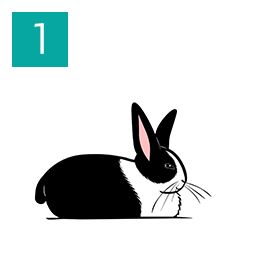
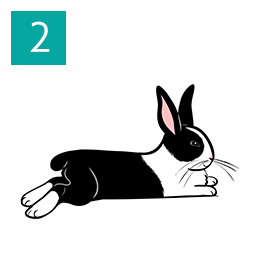
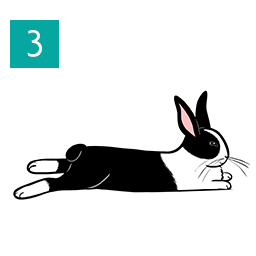
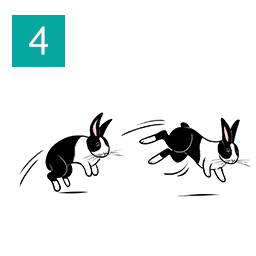
Body language of relaxed or happy rabbits. Source: RSPCA UK
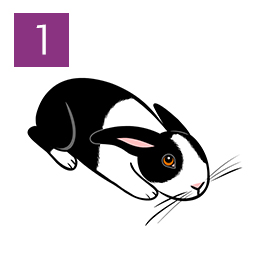
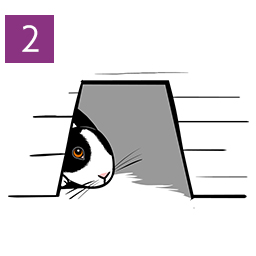
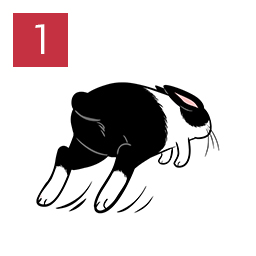
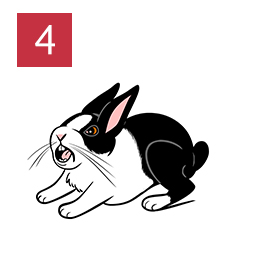
Body language of worried or angry rabbits. Source: RSPCA UK