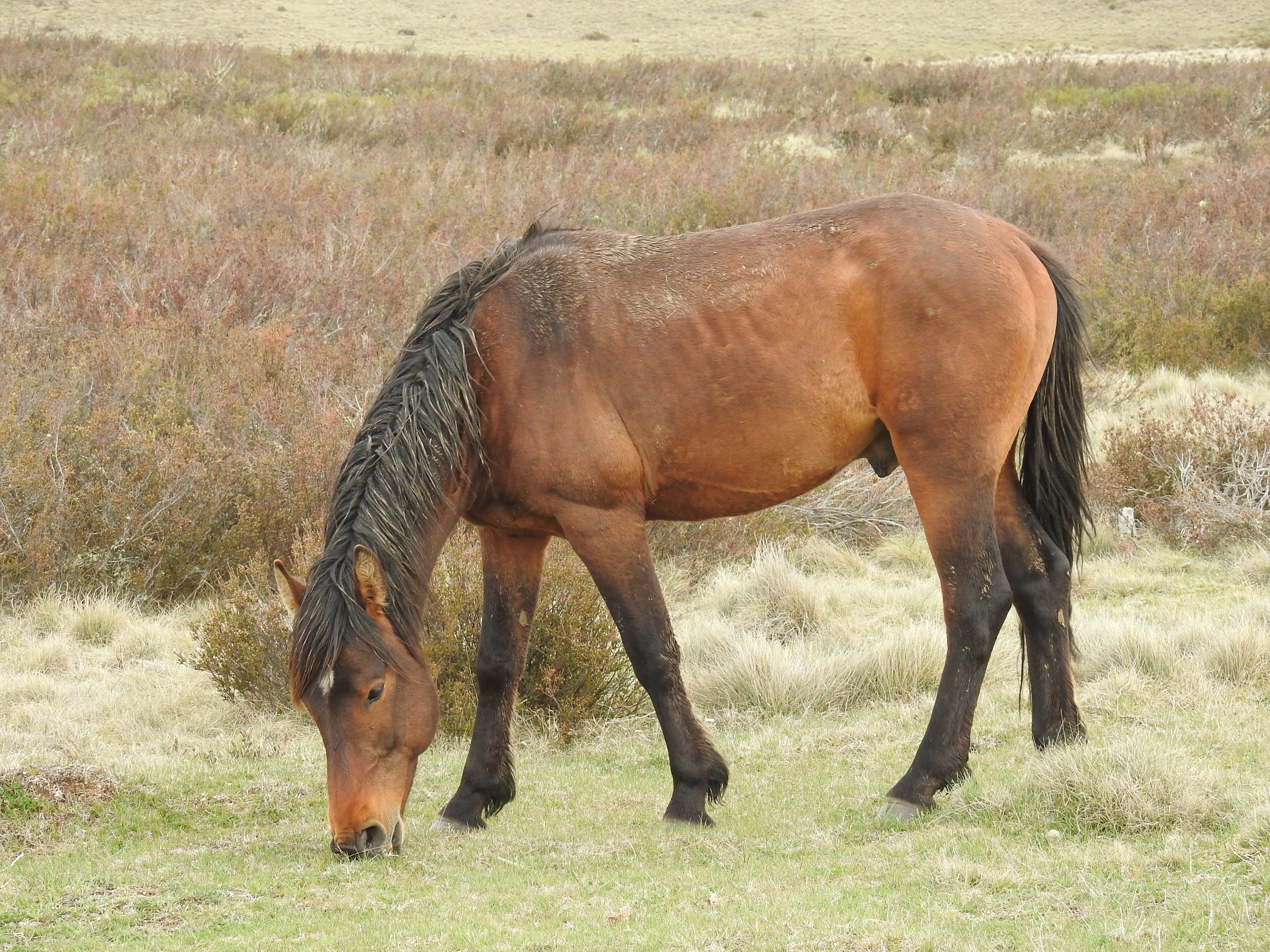
Wild horses (brumbies)
Australian wild horses, known as 'brumbies' are horses or herds of horses that have escaped domestication or bred in the wild. Horses were brought to Australia by British colonisers in 1788 to be used for transport and agriculture.
The name brumby has been used to refer to wild horses in Australia since the 1870s.
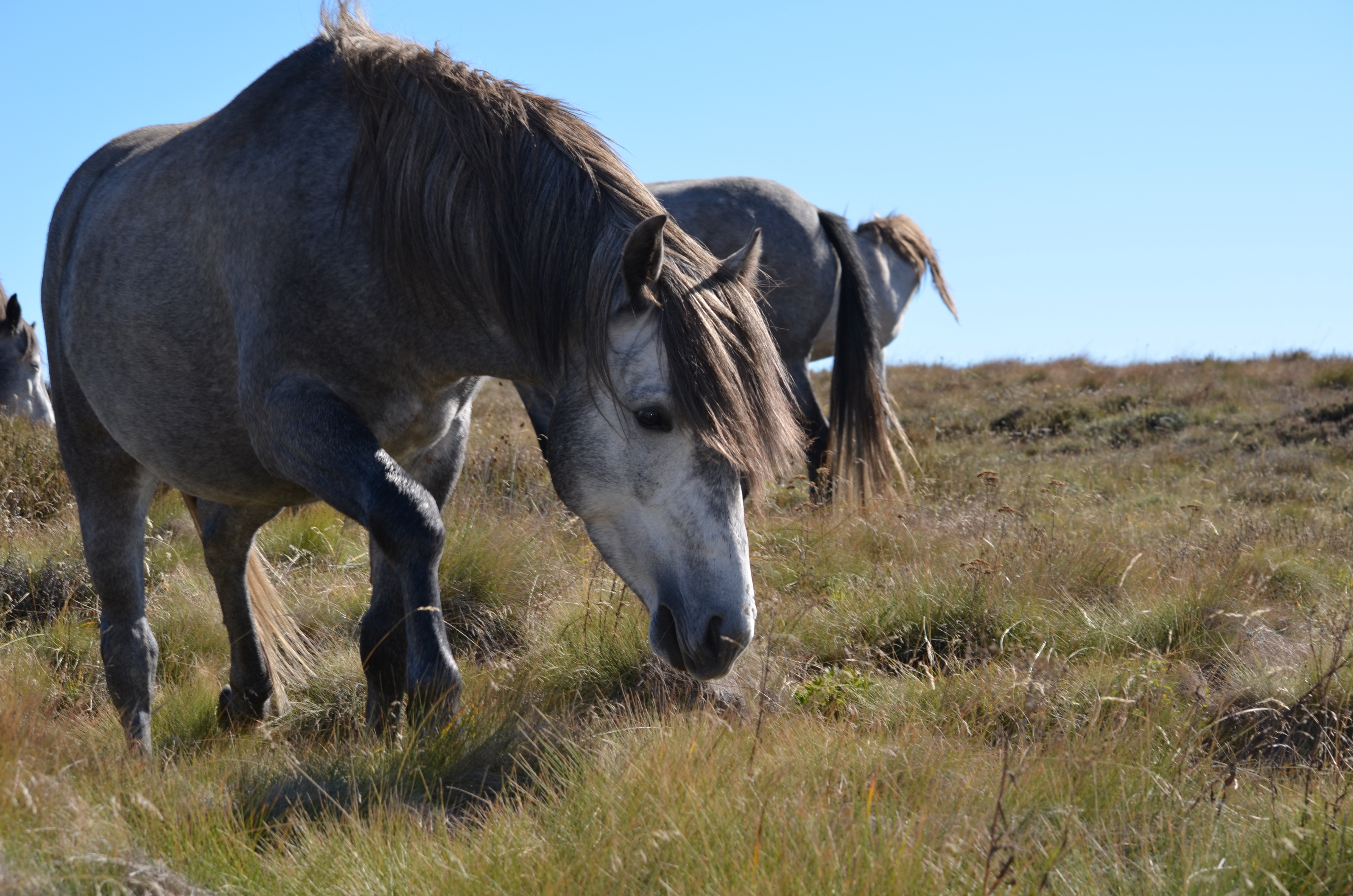
There are currently up to 400,000 wild horses living across Australia, the largest wild population in the world. They are found in NSW, Victoria, QLD and the Northern Territory.
Brumbies are classified as 'invasive' by the Australian government and are subject to population control, often using cruel, violent methods. Brumbies are intelligent, sentient animals who have been introduced to the Australian landscape through no fault of their own. They are often used as scapegoats for ecological damage, while the impact of land clearing for the purpose of cattle grazing (the leading cause of deforestation in Australia) is often overlooked.
Kosciuszko National Park (NSW)
The Kosciuszko National Park in NSW has been the site of a years long battle over the fate of the wild horses who have lived there for decades. Horses have been present in the park since the 1830s and it is home to many herds of mares and foals, each led by a dominant stallion.
In 2018, The Kosciuszko Wild Horse Heritage Act gave special legal protection to wild horses in Kosciuszko National Park due to their significant cultural importance. This act provided some protection to wild horses in the national park, however still allowed for 'control methods' to manage the population.
In 2023, the Kosciuszko National Park Wild Horse Heritage Management Plan was updated to include aerial shooting as an approved control method. Aerial shooting had already been approved for use in Victorian national parks, where a campaign of elimination of brumbies had been operating for years. Aerial culling is also used in Queensland, WA, NT and SA.
In 2025, this act was repealed, removing all protections from these wild herds. Until 2027, all control methods are approved to reach and maintain a population of 3000 wild horses in the National Park. Beyond this date, the future of these horses is unclear.
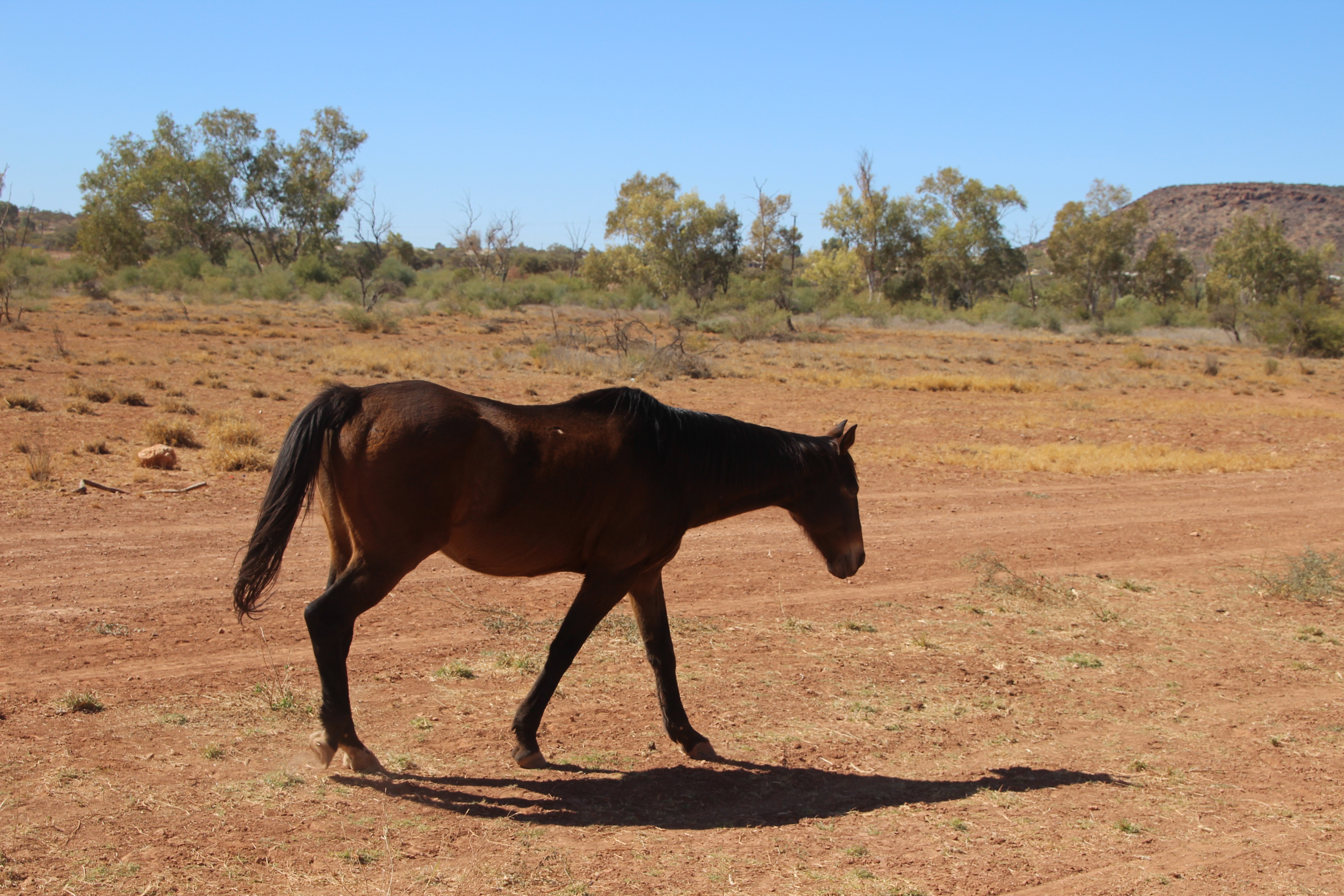
Control methods
A number of control methods are used to limit or eradicate populations of horses. These include aerial culling, passive trapping, rehoming, and ground shooting.
Aerial culling
Aerial culling is an extremely controversial lethal control method. Helicopters are flown over areas where wild horses are known to live and shooters with semi-automatic rifles target horses from the sky. Juvenile horses and foals are specifically targeted in order to reduce the growth of herds. Horses are extremely social animals, forming strong bonds in their herds and families. Horses have been shown to exhibit grief like behaviour when a companion dies, displaying depression like symptons including reduction in vocalisation, eating and reduced levels of excitement.
Trapping and rehoming
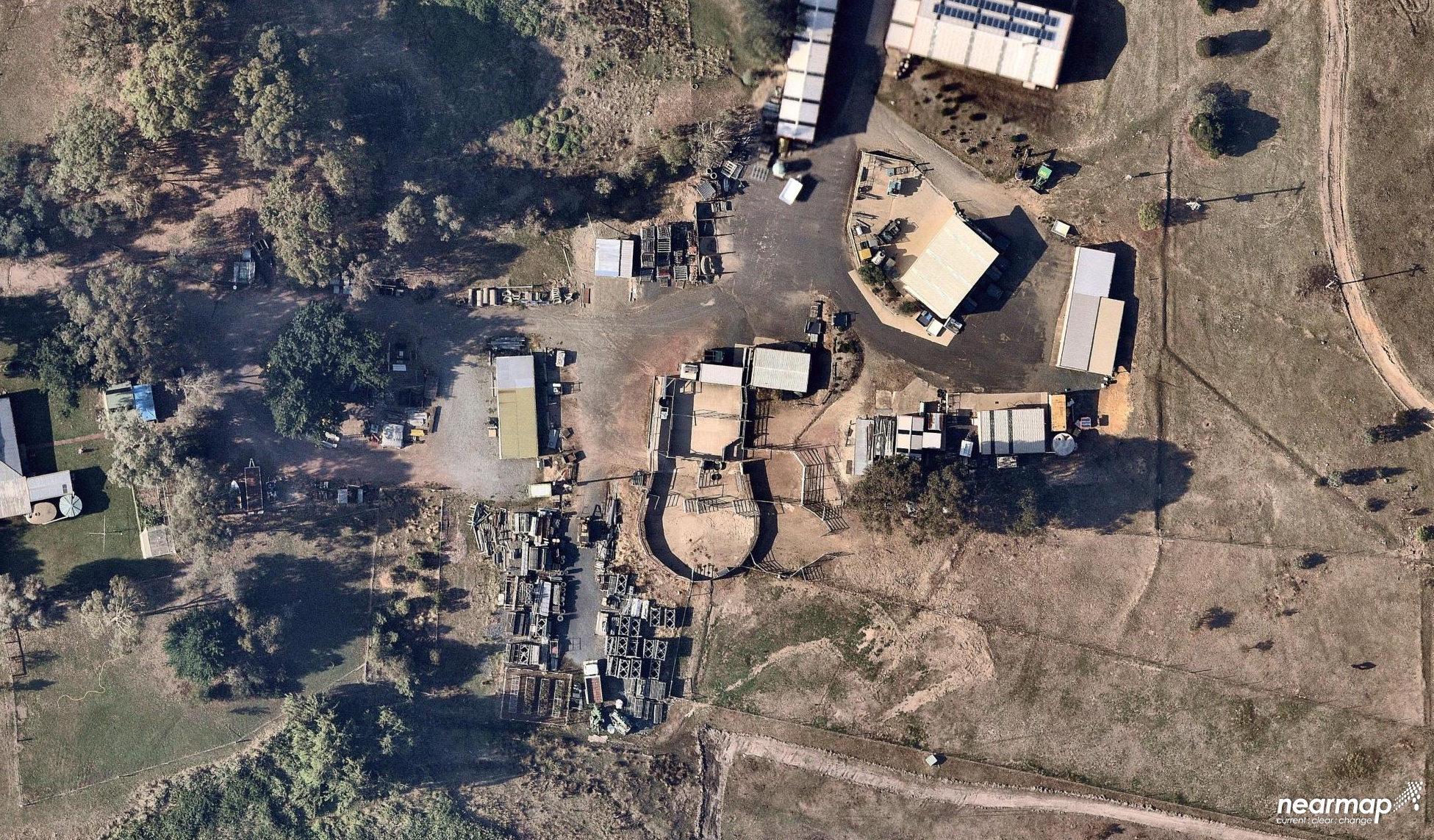
Passive trapping is a way of capturing brumbies with minimal interference from humans.Traps are designed as pens or holding yards, which are baited with food, water or salt licks. Horses enter them voluntarily, and then become trapped after a gate is triggered to close.
Rehoming groups will attend these sites to collect as many horses as they can, at their own expense. While lethal control measures are funded by the National Park authorities, non-lethal control measures are not.
Horses that are not taken in by rescue groups will be sent to knackeries or abattoirs.
In April 2024, a mass grave of rehomed brumbies were found at a property near Wagga Wagga NSW. The investigation found 500 bodies of horses and over 300kg of horse meat on the property. These horses were part of the National Parks and Wildlife brumby re-homing program from Kosciuszko National Park.
Ground-shooting
Ground shooting is another method used, where horses are shot by hunters using rifles.
Between January 2020 and October 2024 a total of 711 feral horses were removed from Barmah National Park in Victoria using a combination of trapping and rehoming, or ground shooting as well as euthanasia following veterinary welfare checks. circumstances.
Between January 2020 and October 2024, a total of 1436 feral horses were removed from the Alpine National Park including the Bogong High Plains and the eastern Alps, using a combination of trapping and rehoming, and ground shooting.
Brumby advocacy
For decades, advocates have been fighting to protect brumbies in their homes or rehome them. These include Save the Brumbies , the Animal Justice Party and the Australian Brumby Alliance.