
A Welfare Assessment of Animal Captivity- Evidence of Systemic Failure

Over the past 12 years, I have dedicated my life to the care, treatment, conservation, rescue, and advocacy of animals. I hold a degree in Wildlife and Conservation Biology and am a qualified Veterinary Nurse, Veterinary Technician, and Wildlife Carer. Through running an animal rescue organisation and working across both domestic and wildlife contexts, I have cared for thousands of animals. My experience spans native wildlife rehabilitation, species conservation projects, domestic and non-native animal rescue, and long-term care, providing a strong, practical understanding of diverse species' needs and welfare requirements.
After viewing Farm Transparency Project's latest campaign, 'Australian Zoos: Revealing a Life Behind Bars', I was deeply saddened and appalled by the standard of care provided by so called "experts." The footage consistently revealed significant deficiencies in animal welfare, including inappropriate, species inadequate diets, a marked absence of enrichment, and environments that fail to meet even the most basic elements required for species appropriate living.
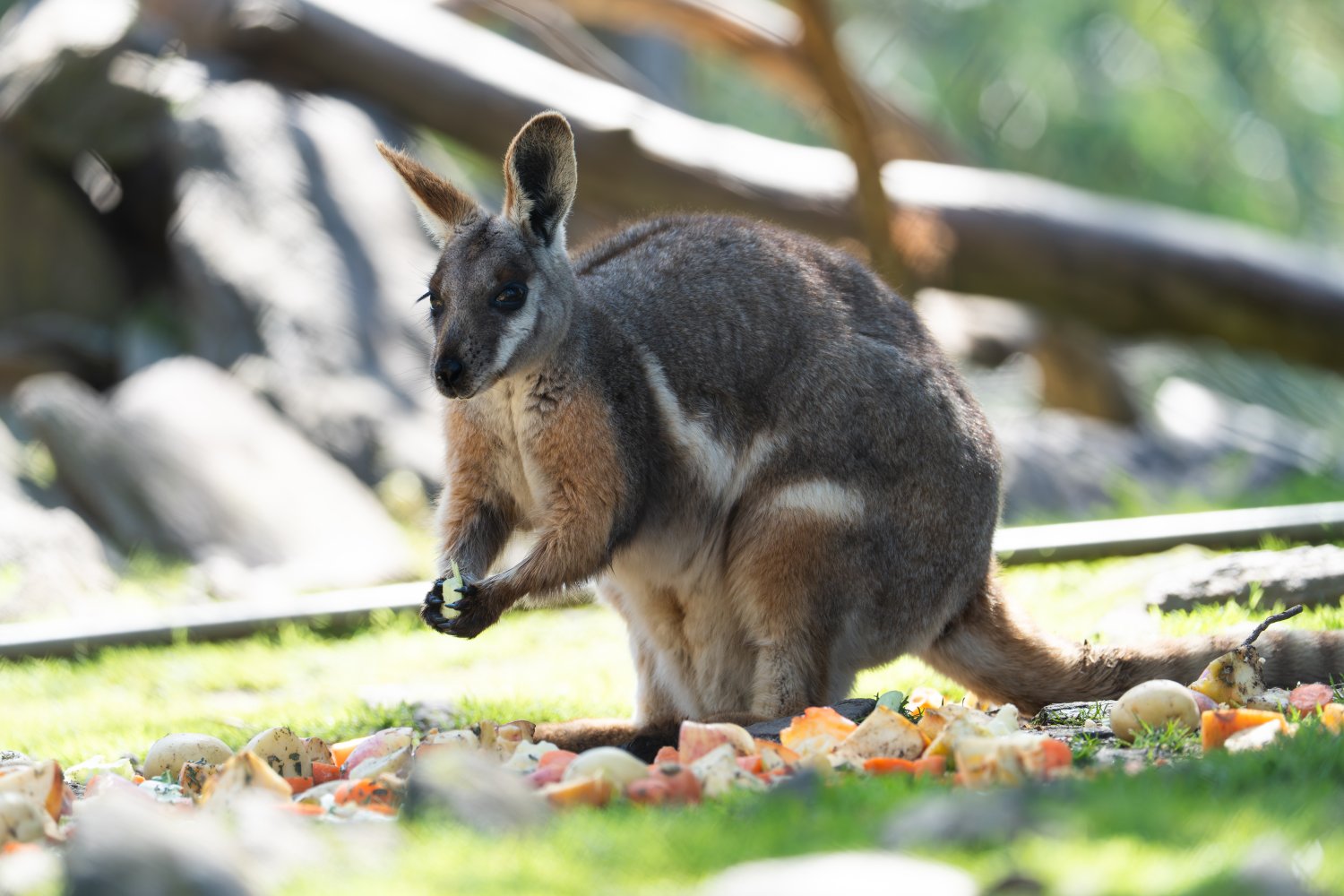
The Yellow-Footed Rock-Wallabies are housed in ecologically inappropriate conditions and provided with a nutritionally inadequate diet. In the wild, they forage on native browse, however, the captive diet comprised of root vegetables and fruit, is unsuitable and predisposes them to gastrointestinal and dental issues. Feeding directly onto soil increases the risk of contamination and parasite ingestion, while failing to support natural foraging behaviours. The enclosure lacks essential structural complexity. In their natural habitat, rock-wallabies utilise varied terrain and engage in climbing, sheltering, and vigilance behaviours. The absence of these features restricts behavioural expression and compromises both physical and psychological health. Minimal shelter further exacerbates this, as prey species rely on cover to maintain security. Prolonged exposure to such conditions is likely to result in chronic stress, behavioural dysfunction, and preventable disease, and falls well below accepted welfare standards.
The rabbits demonstrate significant deficiencies in nutrition, hygiene, environmental suitability, and health management. The diet is heavily reliant on carrots, mixed vegetables, and seed/grain mixes with finely chopped hay, all of which are inappropriate. These feeds are high in sugar and energy, promote selective feeding, and reduce essential fibre intake. The volume of vegetables suggests overfeeding, while the apparent absence of long-stem hay, which should constitute the majority of their diet, places them at significant risk of gastrointestinal stasis and dental disease.
Food is scattered onto contaminated dirt, increasing exposure to bacteria, parasites, and coccidia. The bare, compacted substrate provides little comfort or hygiene, while the enclosure lacks enrichment such as tunnels, chew materials, and digging areas. Shelter is also inadequate, with no secure hiding spaces despite rabbits being a prey species, making chronic stress likely.
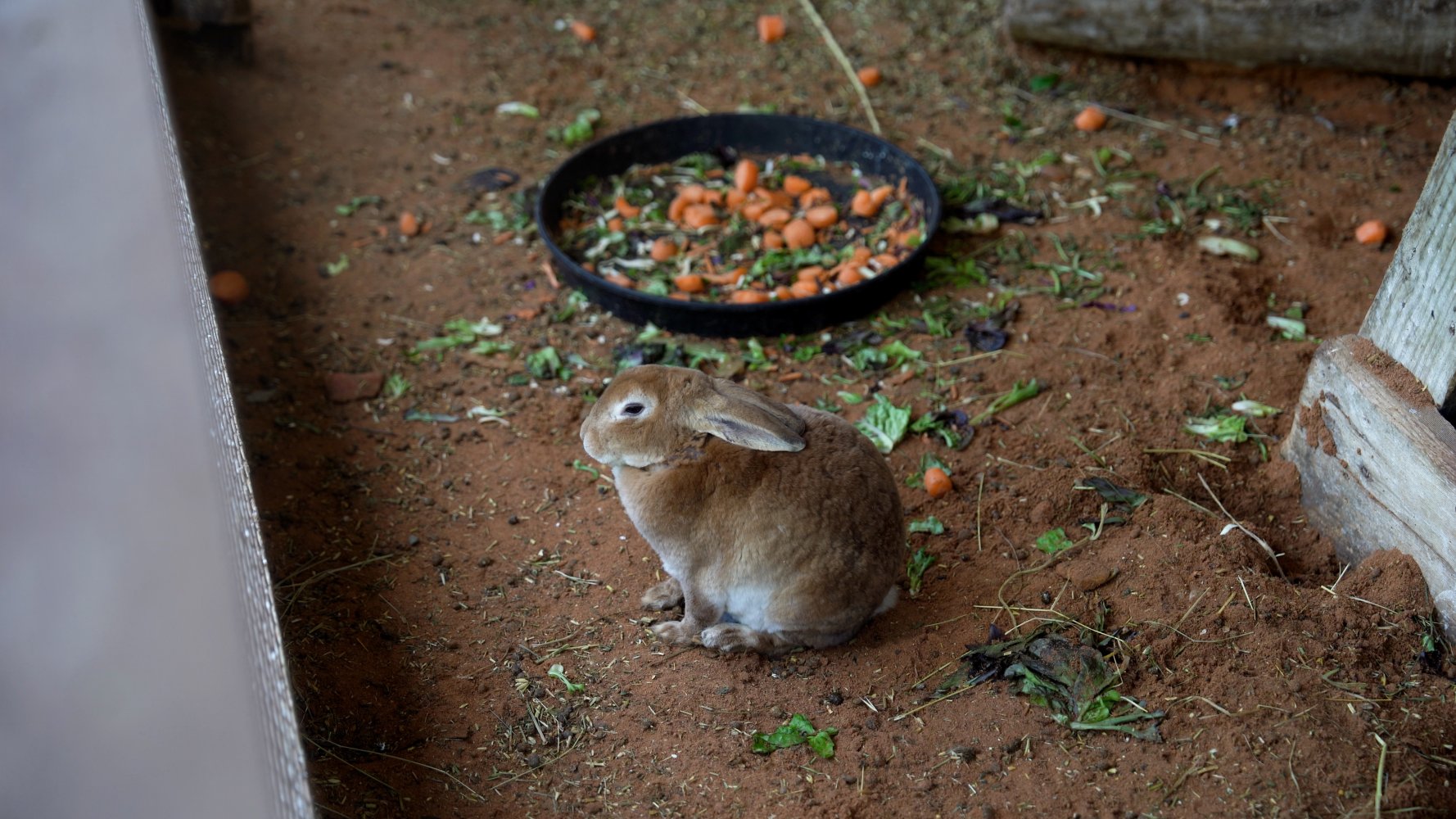
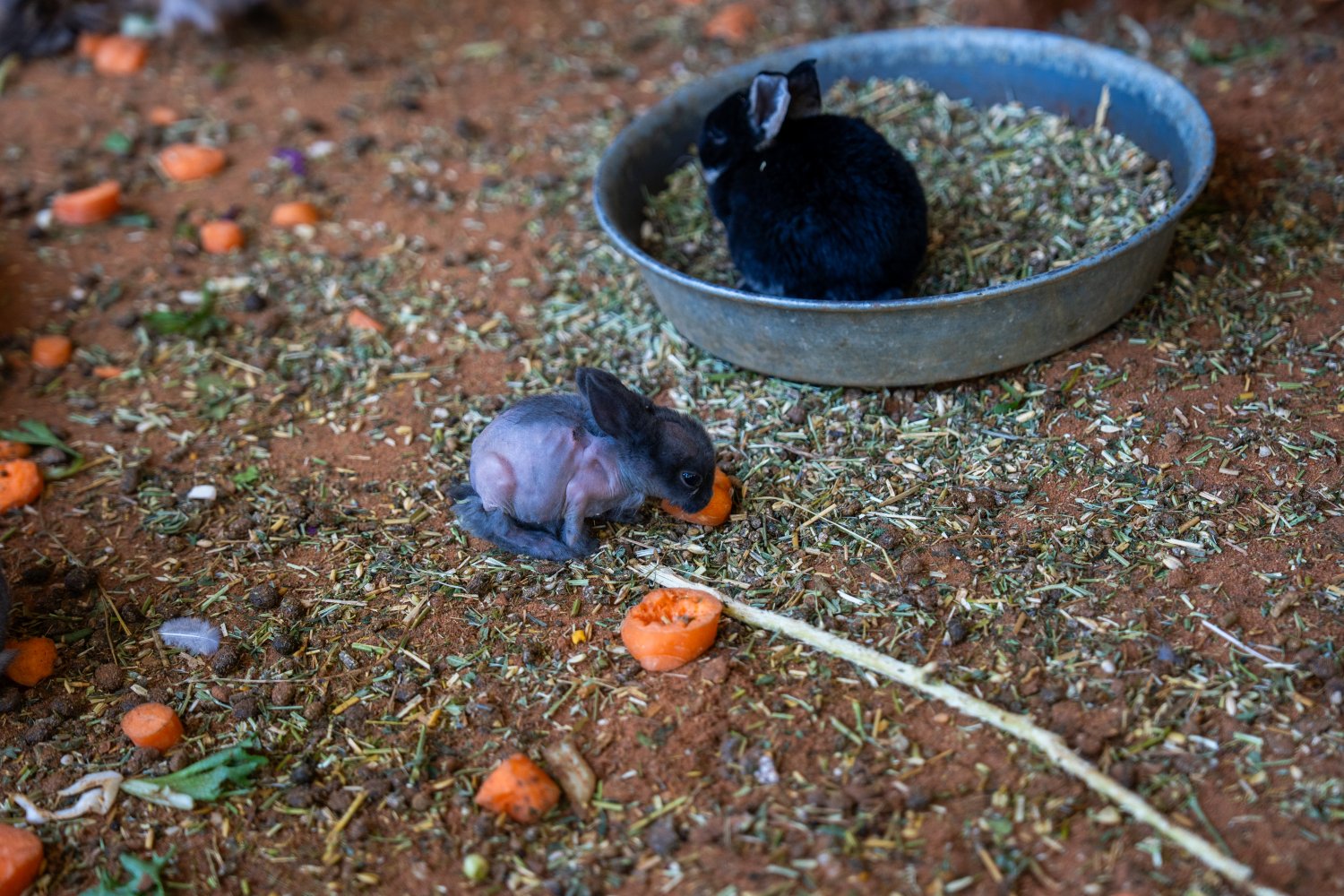
Of particular concern is an individual exhibiting significant hair loss, indicating an urgent welfare issue. Potential causes include ectoparasites, dermatophytosis (ringworm), barbering, or nutritional deficiency. This condition should prompt urgent veterinary assessment and treatment to ensure welfare, reduce suffering, and prevent further deterioration.
The guinea pigs similarly demonstrate deficiencies in diet, hygiene, and enclosure design. The muesli style feed promotes selective feeding and imbalanced nutrition and is inconsistent with their requirement for a high fibre, hay-based diet. Critically, high quality hay, which should form the primary component of the diet, is absent, increasing the risk of dental disease, gastrointestinal dysfunction, and obesity.
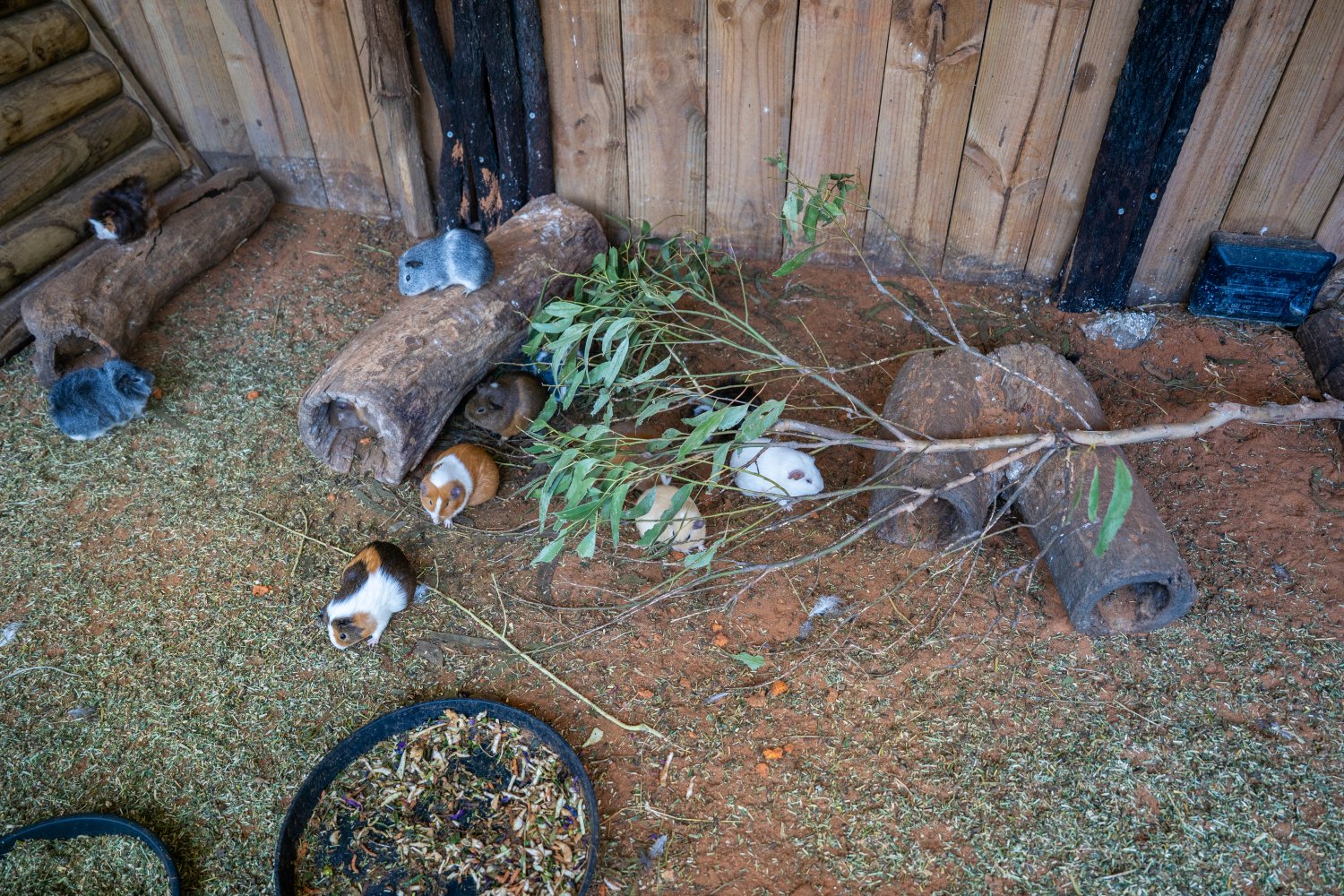
Food is again scattered onto contaminated dirt, and the compacted substrate is unsuitable for an animal in constant contact with the ground. Shelter is insufficient for the group size, increasing competition and limiting access for subordinate individuals. As a prey species, the lack of adequate, secure hiding spaces compromises their sense of safety. Environmental complexity is minimal, with no deep bedding, defined foraging areas, or sufficient enrichment, restricting behavioural expression and increasing stress related outcomes. These conditions reflect a profound failure to meet fundamental welfare needs.
Across all species observed, a consistent pattern emerges. Environments and husbandry practices that fail to meet even the most fundamental biological and behavioural needs of the animals in question. Inadequate nutrition, poor hygiene, insufficient environmental complexity, and a lack of security are not isolated oversights but indicative of systemic failures in care. These compromise both physical health and psychological wellbeing, resulting in chronic stress, preventable disease and diminished quality of life. Such standards fall markedly short of established principles of animal welfare and cannot be justified within any framework that claims to prioritise animal wellbeing. Addressing these issues requires not incremental adjustment, but a fundamental reassessment of how animals are housed, managed, and valued.
Artificial environments are inherently incapable of replicating the complex ecological, behavioural, and social conditions that shape each species' existence. Consequently, captivity is intrinsically inadequate, denying animals the autonomy and freedom that
define true wellbeing in the wild, and stripping away the very conditions upon which they have evolved to depend.
As a society, we bear a collective ethical responsibility to confront and rectify this injustice. Animals were never intended to be reduced to instruments of human amusement or entertainment. We readily identify as "animal lovers," yet continue to sanction and perpetuate systems that confine and exploit them. So long as this contradiction persists, the moral legitimacy of our relationship with animals is not only compromised, but fundamentally indefensible.
Madeline
BEnvSc, BWildConBiol