
High Court orders evidence of animal cruelty to be destroyed in slaughterhouse surveillance case
 View as a PDF
- Farm Transparency Project has lost its High Court appeal in which it sought to publish slaughterhouse cruelty footage
- Federal Court constructive trust overturned but footage ordered to be destroyed. Media outlets are not restricted from publishing.
- The judgment won't stop FTP's work to expose animal cruelty and suffering
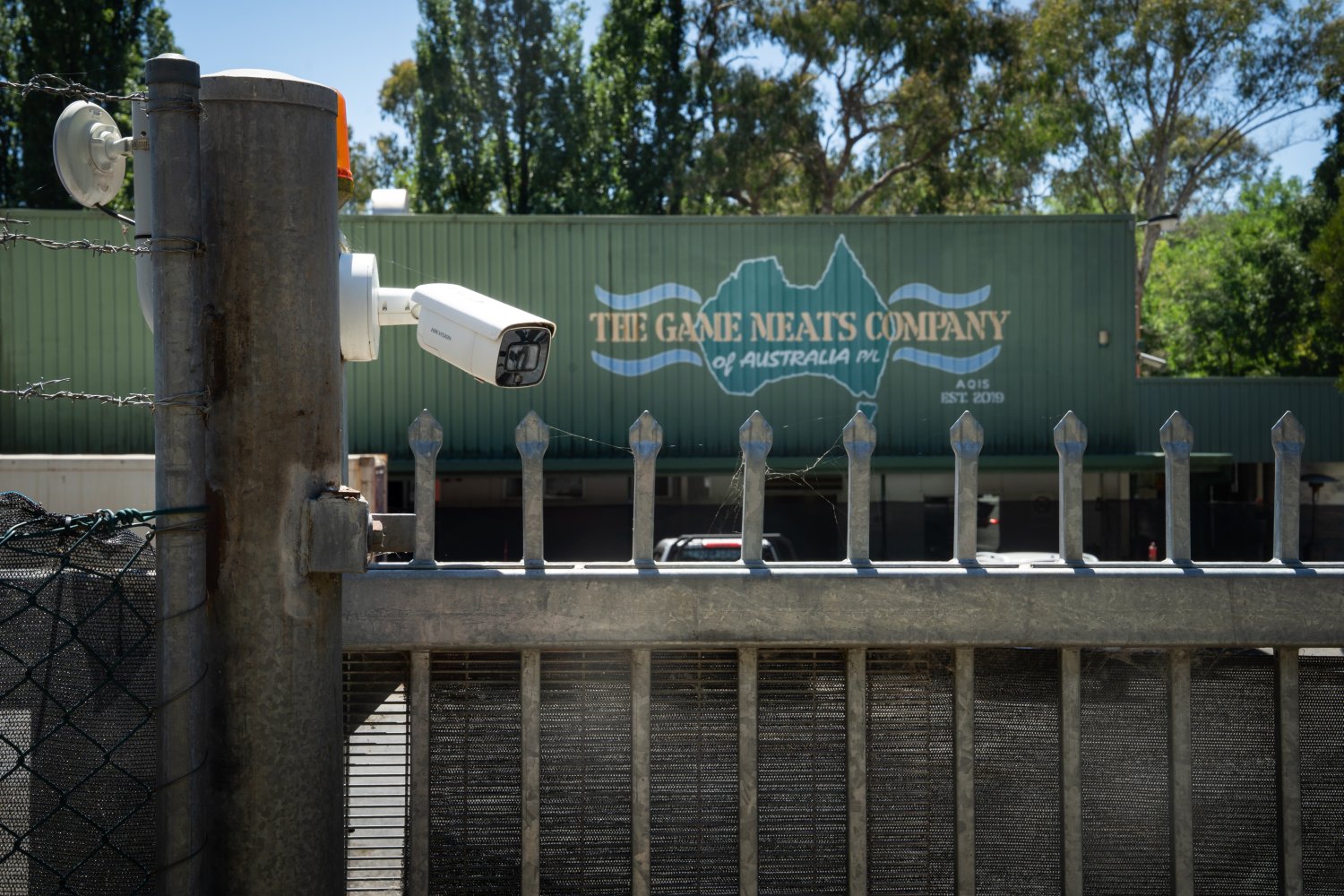
The High Court of Australia has granted a permanent injunction against Farm Transparency Project (FTP), blocking the publication of footage showing the brutal slaughter of goats at the Game Meats Company (GMC) slaughterhouse in Eurobin, Victoria. The restriction does not extend to third-parties, such as media outlets, who may have downloaded the footage in the hours it was originally published before the initial injunction forced its removal.
Justices overturned a constructive trust awarding copyright of the footage to GMC, which had been granted by the full court of the Federal Court in 2025. However, the court ordered FTP to destroy the footage and any copies in their possession, now and in the future.
Today's judgment is the final act in a case that has stretched for well over two years. Throughout it all, FTP fought to be allowed to publish footage obtained by trespass, filmed within GMC's slaughterhouse, while the slaughterhouse fought to suppress this footage. The footage revealed daily welfare issues, including goats having their throats slit while they're still conscious, and baby goats being painfully electrocuted and left half-paralysed for hours. After viewing it, GMC itself told the Department of Agriculture that it revealed "serious non-compliances that need to be addressed immediately".
Farm Transparency Project's Executive Director said this about the High Court judgment:
"Today's judgment is an enormous blow to the public's right to know what happens to animals inside of Australian farms and slaughterhouses, and it gives a tick of approval to the kinds of illegally cruel conduct shown in the footage. While the judgment allows for third-parties, such as media outlets, to publish illegally obtained footage of animal cruelty, often the only way this cruelty comes to light is when civilian investigators like FTP undertake great risks to get it. If investigations like those conducted by FTP are to be restricted, it's a severe limitation on the ability of the public to know the kinds of animal cruelty and abuse they're paying for at the checkout, and their ability to have informed ethical or political discussions about the place of commercialised animal cruelty in our society. The rights and interests of big business – even those regularly engaged in animal cruelty, such as the Game Meats Company – have sadly taken a very clear precedence over those of everyday Australians."
"When it comes to how animals are treated inside Australian farms and slaughterhouses, there is next to no oversight or monitoring. Suffering flourishes behind closed doors and padlocked gates, with facilities like the Game Meats Company relying on the incompetence and apathy, or outright corruption, of licensing bodies such as the Federal Department of Agriculture, to get away with carelessness, cruelty and malice. If it weren't for the work of ordinary people who expose abuses of power within animal agriculture, many of the welfare reforms our country is so proud of would never have occurred."
"It is plain to us that caring people will never stop raising the alarm when they encounter animal suffering. No industry should be absolved from scrutiny and, when the institutions assigned to protect animals fail, organisations like ours will always step in to fill this gap."
The footage at the centre of this case was captured covertly by FTP over approximately ten days in early 2024, revealing daily breaches of animal welfare legislation at the GMC slaughterhouse in Eurobin, Victoria. When FTP reported the footage to the Department of Agriculture, rather than investigating the complaint, the department tipped off the slaughterhouse management, leading to a court-ordered injunction blocking publication of the footage. Hours-worth of videos, published by FTP shortly before being served with the court order, were forced to be removed.
In May this year, both parties presented their cases to the full bench of the High Court, with GMC defending the gag while FTP argued for the public's right to see the footage, which FTP says is of great public interest. The Human Rights Legal Centre (HRLC) and the Alliance for Journalists Freedom (AJF) joined the proceedings as amicus curiae, arguing that the Federal Court ruling has chilling ramifications for press freedom. In rejecting the constructive trust, the High Court agreed that it "could significantly impinge upon the freedoms and interests of third parties."
Contact for interviews:
Chris Delforce (he/him), Executive Director: 0401 763 340 | [email protected]
Harley McDonald-Eckersall (she/her), Strategy and Campaigns Director: 0480 344 607 | [email protected]
< Return to latest media releases
Sign up to receive media releases by email